Thinking about selling your Glassboro home in the next 6 to 12 months? The market can change fast, and the smartest sellers don’t guess — they watch the right numbers. When you track a few key indicators, you can price with confidence, choose the right week to list, and set expectations that help you move on time. In this guide, you’ll learn which local metrics matter most, how to read them, and what to do based on what they show. Let’s dive in.
The three Glassboro metrics that matter
Inventory and months of supply
Months of supply (MOS) tells you how long it would take to sell the current inventory at today’s sales pace. Analysts often call 6 months a balanced market. Lower than 6 months leans toward sellers. Higher than 6 months favors buyers.
Why it matters: MOS frames your pricing power and timing. When MOS is low, you can list confidently and expect a faster sale. When MOS is higher, buyers have more choice, so competitive pricing and concessions become more common.
How to compute it:
- Choose a lookback window. Use 3 months for timely signals and 6 to 12 months for context.
- Calculate: active listings at month-end ÷ average monthly closed sales for your window.
- Smooth it: track a rolling 3-month average to reduce noise.
Local note: Glassboro is a small market, so one or two sales can swing MOS. Compare the borough’s MOS to Gloucester County to see whether a change is local or part of a broader trend.
Days on market (DOM)
Days on market measures time from listing to contract. It is usually reported as a median for a period. Falling DOM often signals stronger buyer activity. Rising DOM can point to cooling demand or overpricing.
What to watch: Focus on the direction over 2 to 3 months, not a single data point. In a small market, one slow-moving listing can skew a monthly report. If DOM creeps up while your photos, condition, and pricing are on point, it may be a market shift rather than a listing issue.
List-to-sale price ratio
This ratio compares the sale price to the list price. Some reports use the original list price. Others use the final list price after reductions. Clarify which definition your data source uses.
How to read it: Ratios above 100 percent signal strong competition and multiple-offer potential. Ratios drifting below about 98 to 99 percent suggest buyers are negotiating more. If the ratio stays close to 100 percent, pricing within a tight comparable range is justified. If it falls, consider conservative pricing or plan staged reductions.
How Glassboro’s local factors shape these metrics
Rowan University and seasonality
Rowan University drives steady housing interest from faculty, staff, and households connected to campus life. The academic calendar can create a late-summer and early-fall pulse in activity, while spring still tends to be the most active listing season. Factor this timing into your plans, especially if you want to target peak visibility.
Commuter access and local development
Glassboro’s access to South Jersey and Greater Philadelphia job centers supports buyer demand. Ongoing downtown revitalization and past investments near Rowan Boulevard contribute to long-term appeal. If new projects or permits expand housing supply, you may see shifts in inventory mix and MOS.
Inventory mix and investor activity
Glassboro includes single-family homes, townhomes, condos, and rentals. Investor activity tied to student rentals can increase month-to-month volatility. When investors buy or sell in clusters, the list-to-sale ratio and DOM can move faster than in a purely owner-occupied market.
Read the signals: what to do in each case
MOS falling + DOM falling + list-to-sale above 100 percent
- What it signals: Strong seller conditions.
- Your move: Price confidently near target value, prep thoroughly, and set a tight showing window to capture urgency. Expect fewer concessions.
MOS rising + DOM rising + list-to-sale slipping
- What it signals: Cooling momentum.
- Your move: Consider listing sooner if your timeline is flexible, price competitively, and budget for possible concessions on repairs or closing costs.
MOS stable + DOM rising + list-to-sale steady
- What it signals: Listing-level friction, not a broad market shift.
- Your move: Revisit photos, staging, condition, and price position versus direct competition. Small improvements can shorten DOM without large price cuts.
A 6–12 month monitoring plan
Monthly checklist:
- Active listings and new listings
- Pending sales (new contracts)
- Median DOM to contract
- Median list-to-sale price ratio
- MOS (use a rolling 3-month average)
Quarterly check-ins:
- Compare 3- and 6-month rolling averages for Glassboro versus Gloucester County and nearby towns like Pitman, Mantua, Deptford, and Clayton.
- Look for direction, not noise. Consistent moves across the county carry more weight than a one-month blip in the borough.
Four to six weeks before you list:
- Pull closed comparables from the last 30 to 90 days.
- Study active listings that will be your direct competition.
- Confirm whether data sources use original or final list price for ratios and how DOM is calculated.
Pricing and timing for Glassboro sellers
- If MOS and DOM are falling and list-to-sale is above 100 percent:
- Strategy: List near your target price, set a short initial review window, and be prepared to respond to multiple offers.
- If MOS is rising and DOM is stretching with a lower list-to-sale ratio:
- Strategy: Price realistically from day one and plan a defined timeline for any small reductions. Avoid long DOM that can reduce leverage.
- If indicators are mixed:
- Strategy: Tighten your presentation. Fresh paint, minor repairs, and pro photography can protect your net without large price moves.
Prep and non-price levers that pay off
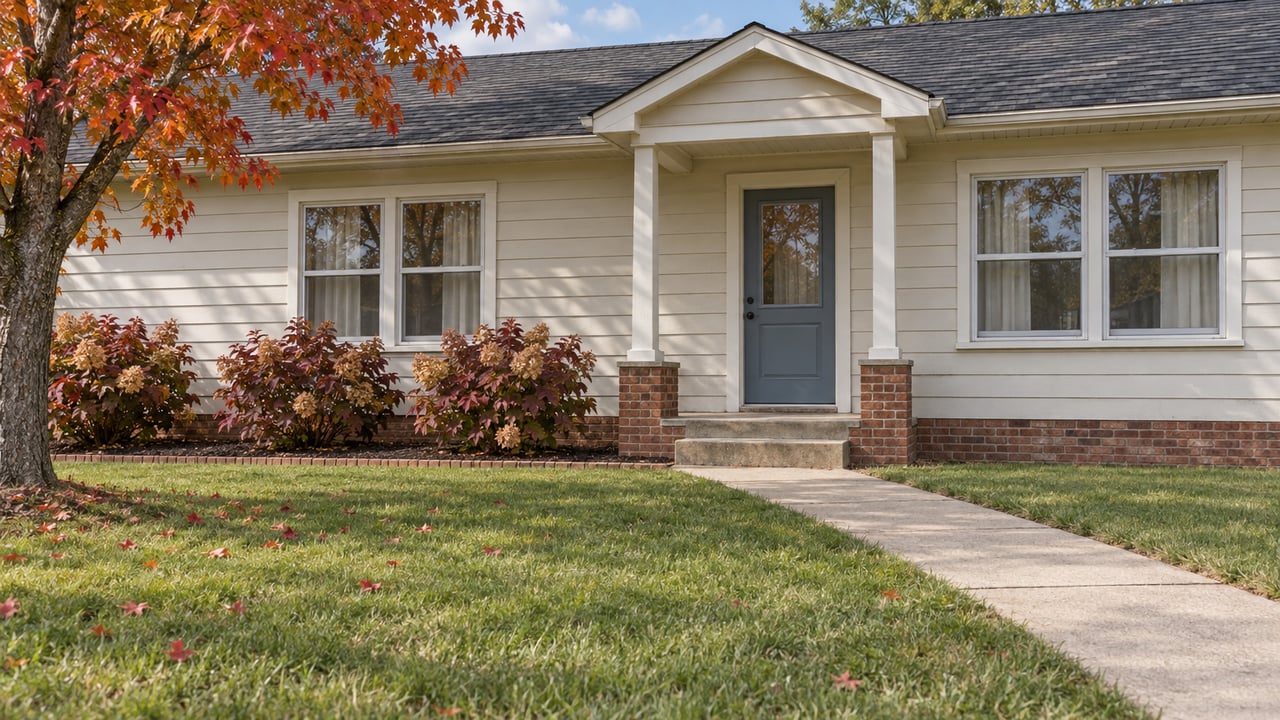
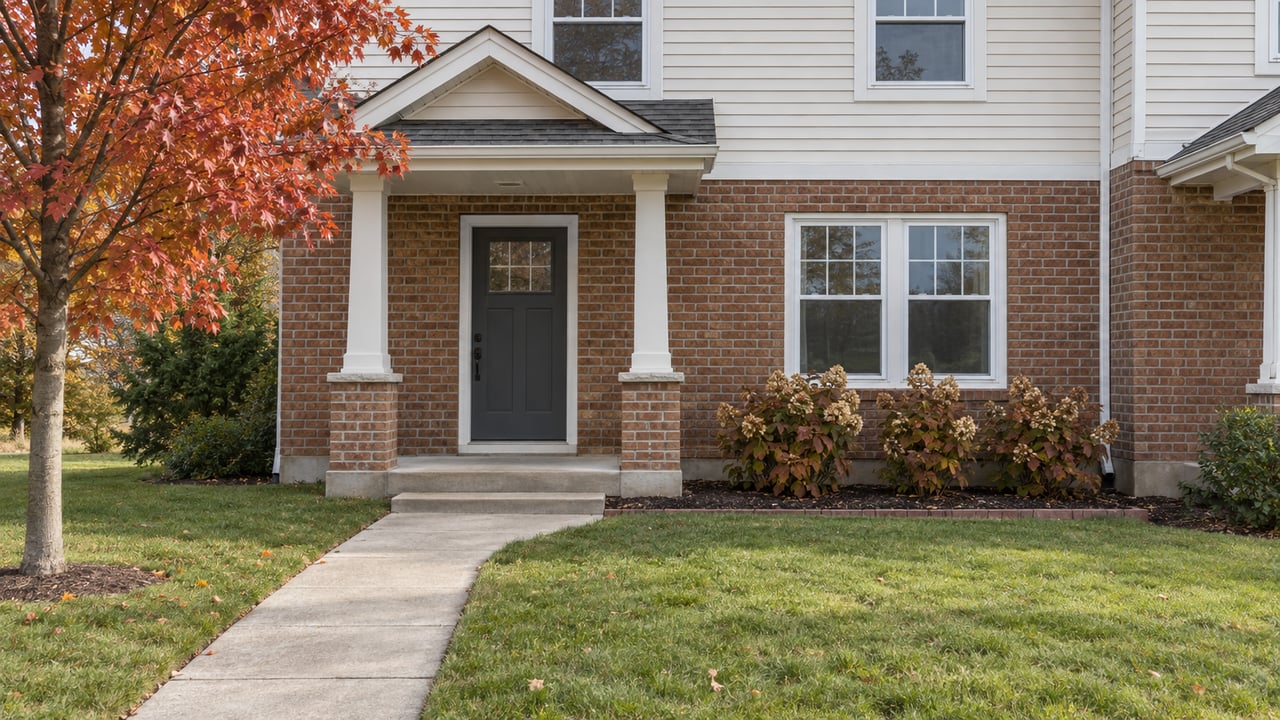
- Prioritize curb appeal, light, and cleanliness. A crisp first impression can shorten DOM.
- Make practical repairs that remove buyer objections during inspection.
- Highlight proximity to Rowan University, commuter routes, and downtown amenities in your marketing.
- Use professional photos and a clear showing plan to front-load interest in the first two weeks.
Contingency planning in uncertain conditions
Mortgage rates and local employment can change quickly. If rates rise or demand cools, MOS and DOM can move against you. If you must sell by a specific date, discuss timeline tools such as rent-back or accepting offers with contingencies that match your move plan. If you prefer certainty, explore sale programs that offer guaranteed timing or an immediate buyout.
What to ask your agent before you list
- Which definitions are you using for DOM and list-to-sale: original list or final list price?
- What are the rolling 3- and 6-month MOS and DOM for Glassboro versus Gloucester County?
- How many active listings will be my direct competition at my price point and style?
- What is the current median list-to-sale ratio in my segment, and how does that inform our list price and reduction plan?
- What non-price changes would most reduce my time on market?
Ready to sell with confidence?
You do not need to time the market perfectly. You need a clear read on the signals and a plan that fits your goals. If you want maximum exposure with professional marketing, or you need speed and certainty, you have options. Work with a local expert who pairs data-driven pricing with flexible selling programs, including Guaranteed Sale, an Immediate Buyout for a cash offer, and a Hassle-Free listing path. Connect with Jennifer Ferrara to choose the strategy and timeline that work for you.
FAQs
What is months of supply and why it matters in Glassboro?
- Months of supply estimates how long current inventory would take to sell at today’s pace; around 6 months is balanced, lower favors sellers, higher favors buyers. In small markets like Glassboro, use rolling averages and compare to county trends.
How do rising days on market affect my Glassboro sale?
- A rising DOM trend suggests buyers are taking longer or pricing is high. Consider improving presentation, tightening price, or listing sooner if other indicators also point to cooling.
Should I wait for spring to list in Glassboro?
- Spring usually brings more listings and buyers, and Rowan University adds a late-summer and early-fall pulse. Balance seasonality with what MOS, DOM, and list-to-sale ratios are doing in the months before you list.
How does the list-to-sale price ratio guide my pricing?
- Near 100 percent supports pricing within a tight comp range. Above 100 percent signals strong demand. If the ratio trends below about 98 to 99 percent, start conservatively or plan staged reductions.
How often should I check market stats before listing?
- Review MOS, DOM, pending sales, and list-to-sale monthly. Every quarter, compare Glassboro against Gloucester County. Four to six weeks before listing, refresh comps and confirm definitions used in your data.
What if I need a guaranteed timeline to sell?
- Ask about flexible options such as a Guaranteed Sale, an Immediate Buyout for a cash offer, or a Hassle-Free listing plan so you can align your sale with a firm move date.