Thinking about selling your Franklinville home “as-is”? You’re not alone. Estate sales, downsizing, or a job move can make a quick, low-hassle sale feel like the right choice. The key is knowing what “as-is” actually covers, how it affects inspections and financing, and how to price and market the home so you still get a strong outcome. In this guide, you’ll learn exactly what as-is means in New Jersey, what you must disclose, the tradeoffs to consider, and a clear checklist to move from listing to closing with confidence. Let’s dive in.
What “as-is” really means
“As-is” means you are offering the property in its current condition and you generally will not agree to repairs as a condition of the sale. It sets expectations for negotiations, but it does not remove your legal duties.
- You must still be truthful about known, material defects.
- Buyers can often still inspect, depending on the contract.
- Lenders can require certain repairs even on an as-is deal.
The exact contract language matters. Some sellers allow inspections but keep the right to refuse repairs. Others accept inspection requests for credits rather than repairs. Have your agent use clear, plain language so everyone understands what is and is not included.
Disclosures you still must make
Selling as-is does not excuse fraud or concealment. In New Jersey, you are expected to complete the seller’s disclosure form honestly and attach documentation when available. At a minimum, plan to disclose:
- Known structural or systems defects, prior repairs, or damage
- Roof, foundation, mold, or termite issues
- Septic or sewer status and any known failures
- Environmental concerns such as underground oil tanks or past spills
- Flooding or water intrusion history and whether the property is in a flood zone
- Lead-based paint disclosure if the home was built before 1978
- Open permits, unpermitted work, or use/occupancy issues
If the sale is part of an estate, confirm your authority to sell as executor or administrator and disclose any probate restrictions. When in doubt, disclose. Full documentation builds buyer trust and reduces the chance of post-closing claims.
Inspections and contingencies
An inspection contingency gives buyers a set time to inspect and request repairs, credits, or the right to cancel. As-is listings can still include an inspection contingency. Here’s how the most common versions play out.
Allow inspections vs. waiver
- As-is with inspection: Buyer inspects. You can refuse repair requests. The buyer may then accept, negotiate a credit, or cancel under the contingency.
- As-is, no inspection: Buyer waives inspections. This is rare and riskier for buyers. Even then, some lenders or appraisers may require repairs before closing.
Expect some negotiation even with as-is terms, especially if inspections reveal safety or major structural issues.
Lender and appraisal rules
Financing can limit the buyer pool. FHA, VA, and some conventional loans have minimum property standards. If issues like unsafe conditions, lack of essential utilities, or severe roof problems are present, the lender may require repairs before funding. That can cause delays or force renegotiation. Cash buyers and experienced investors are more likely to accept true as-is condition.
Pricing an as-is home
Pricing should reflect condition, local demand in Gloucester County, and the buyer types you want to attract. The discount compared with a move-in ready home varies based on the extent of repairs and market conditions. In a low-inventory market, the discount is often smaller. In a slower market, it can be larger.
A practical way to think about pricing is to compare repair costs plus buyer risk. If a roof and HVAC together might cost $20,000, buyers could price in the cost and add a risk margin. Your agent can pull local comps for “fixers” versus updated homes so you can model likely outcomes.
Buyer types to expect
- Cash investors/rehabbers: Faster closings, minimal contingencies, and lower offers.
- Owner-occupants seeking a project: May need financing and will likely request repairs or credits.
- Downsizers and many older buyers: Often prefer move-in ready unless the needed work is mostly cosmetic.
Your marketing and pricing should match the audience you intend to attract.
Repair or sell as-is?
Run a quick cost/benefit check:
- If modest repairs or targeted touch-ups can unlock broader financing options or shave weeks off the timeline, consider doing them.
- If you have tight timing or estate coordination challenges, the cost and stress of managing work may outweigh a higher sale price.
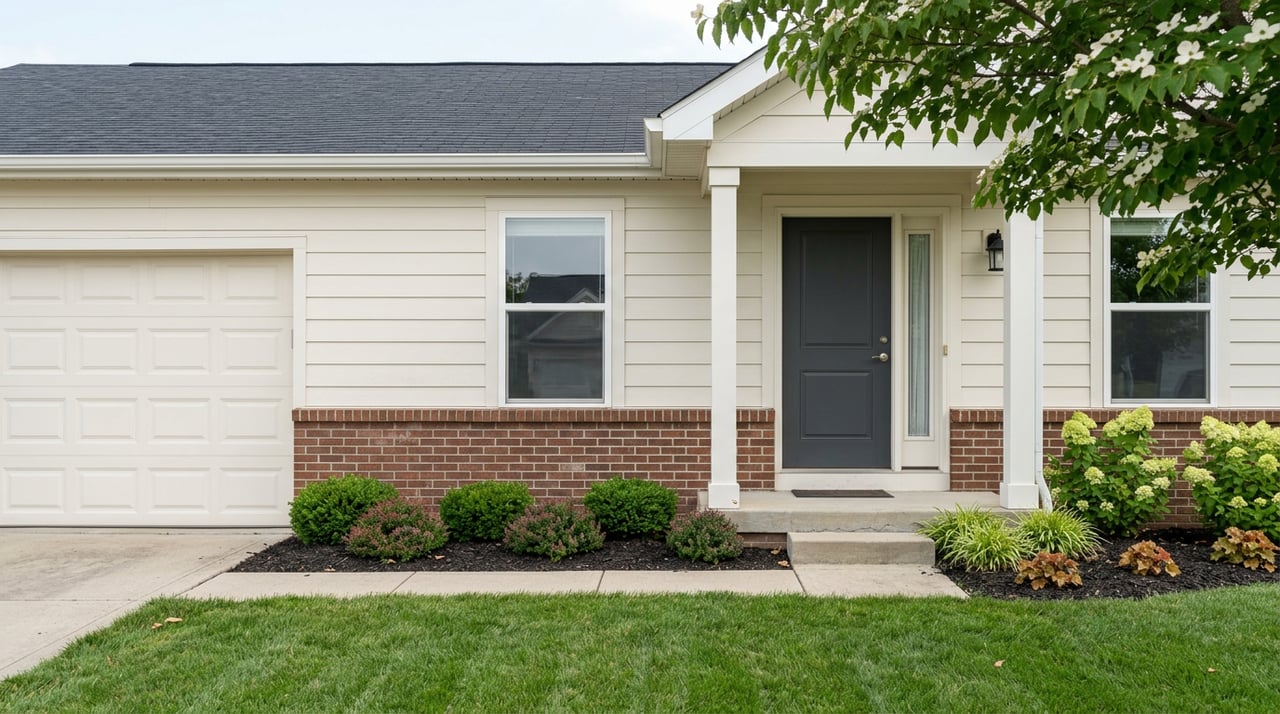
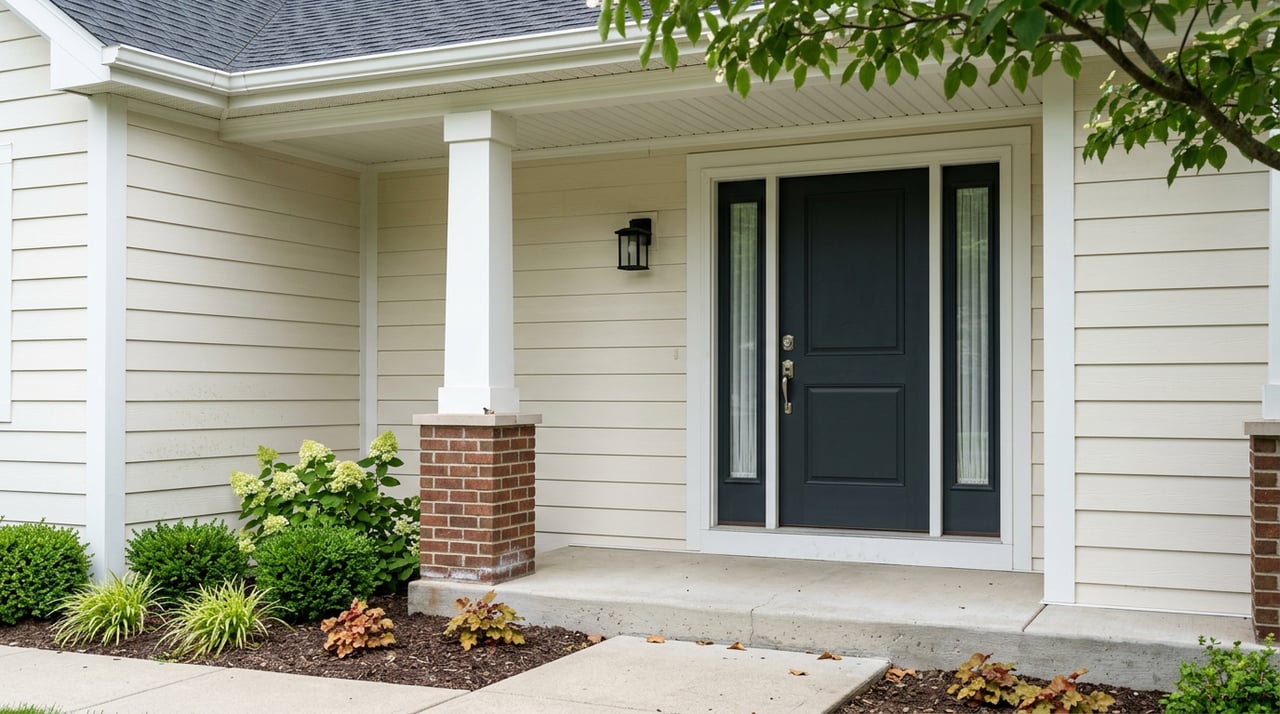
Even for as-is listings, small curb-appeal steps like lawn care, decluttering, and paint touchups can widen buyer interest with minimal cost.
Checklist before you list
Get organized early to reduce surprises later. Here’s a practical pre-list plan for Franklin Township sellers:
- Gather key documents: deed, tax bills, utility history, permits, past repair receipts, manuals, and any prior inspection reports.
- Complete disclosure forms fully. Attach documentation.
- If the home is pre-1978, prepare the lead-based paint disclosure. Consider radon or septic testing if applicable and common in your area.
- Ask for a pre-listing walk-through with your agent. A pre-listing inspection can also help you price accurately and anticipate buyer questions.
- Confirm title status and check for liens, unpaid taxes, or judgments.
- Decide whether to allow inspections and whether you’ll consider credits.
- Plan your cleanout and what items convey with the property.
Local resources that often help: Gloucester County Clerk and Tax Assessor for records, Franklin Township for permits and sewer/septic information, and the County Surrogate for probate guidance.
Estate and downsizing tips
Estate and downsizing sales are common reasons to go as-is in Franklinville. Clear authority and documentation keep these transactions smooth.
Executor steps
- Verify your authority to list and sell with probate counsel.
- Determine whether court approval is required.
- Keep thorough records for the estate: contracts, closing statements, invoices, and correspondence.
Documents and tests
Collect past repairs, permits, septic records, and any tank documents.
Confirm utilities and municipal requirements.
Consider targeted tests that address buyer concerns in advance to avoid late-stage renegotiation.
Manage offers and closing
When offers arrive, look beyond price. Compare:
- Financing vs. cash and the likelihood of lender-required repairs
- Inspection contingency terms and timelines
- Appraisal risk and repair escrows
- Closing date and possession terms
- Earnest money strength and buyer qualifications
For estates, coordinate with your attorney and accountant on tax and distribution implications. Plan the cleanout, utility transfers, and any personal property exclusions early so you can hit contract deadlines.
Lower your risk
You can reduce liability and keep momentum even with as-is terms by following a few best practices:
- Provide full and truthful disclosures. Do not conceal known defects.
- Use clear contract language that states the as-is scope and any seller representations.
- Consider a pre-listing inspection to document condition.
- If helpful, offer a limited credit or a home warranty to ease buyer concerns while staying as-is on major items.
- Work with an experienced local agent and consult a real estate attorney for estate or complex disclosures.
Quick scenarios
- Estate sale, tight timeline: Multiple heirs want a fast close. You price to attract cash investors and allow inspections. A clean, documented file plus flexible closing date earns several offers; you choose the highest net with fewest contingencies.
- Downsizing, mostly cosmetic wear: You invest in decluttering, landscaping, and a few paint touchups, then list as-is with inspections allowed. Owner-occupant buyers compete, and you negotiate a modest credit rather than repairs.
- Financing roadblock: An FHA buyer’s lender flags peeling exterior paint and a missing handrail. You agree to a small repair credit or allow a repair escrow so funding can proceed, or you pivot to a cash backup offer.
When as-is makes sense
An as-is sale often fits when you need certainty, have limited capacity to manage contractors, or the property needs work that buyers can handle later. The strategy can be especially effective in low-inventory pockets of Gloucester County where demand remains steady. Success comes from accurate pricing, transparent disclosures, and strong offer management.
How we help Franklinville sellers
You deserve a straightforward path to closing. With local market expertise and flexible selling options, you can choose the approach that fits your timing and goals:
- Traditional listing with modern marketing: Professional photography, wide MLS and portal exposure, and social video to reach more buyers.
- Hassle-Free listing: A streamlined process that prioritizes clear communication and predictable timelines.
- Guaranteed Sale: Added certainty around timing so you can plan your next move.
- Immediate Buyout: A fast cash offer option when speed is the top priority.
If you’re weighing an as-is sale in Franklin Township or nearby Gloucester County communities, let’s talk through your timeline, pricing, and the buyer pool most likely to deliver the best net. You’ll get clear next steps and options tailored to your needs. Connect with Jennifer Ferrara to start with a free home valuation and a custom plan.
FAQs
What does “as-is” mean for a Franklinville home sale?
- It means you offer the property in its current condition and generally will not make repairs, but you still must disclose known defects and buyers may still inspect.
Do I need to disclose problems if I sell as-is in New Jersey?
- Yes. You must complete disclosure forms truthfully and cannot conceal known defects such as structural issues, water intrusion, septic failures, or environmental concerns.
Can buyers still back out after inspections on an as-is listing?
- If the contract includes an inspection contingency, buyers can typically request repairs or credits and may cancel if you refuse; without a contingency, their options are limited.
Will an as-is sale lower my price in Gloucester County?
- Often yes compared with a move-in ready comparable, but the discount depends on the extent of repairs needed, local demand, and whether buyers need financing.
How do FHA or VA loans affect an as-is sale?
- These loans have minimum property requirements; lenders may require certain repairs before closing. Cash buyers or repair escrows can help if issues arise.
What should an estate executor do before listing as-is?
- Confirm authority with probate counsel, gather documentation, complete disclosures, and align on pricing and timeline to attract cash or investor buyers if speed matters.