Wondering when to list your Williamstown home so you get strong offers without sitting on the market? You are not alone. Timing plays a big role in how quickly you sell and how smoothly you close, especially in South Jersey where seasonality still matters. In this guide, you will learn the best windows to list, how to read real-time signals, what closing timelines look like in New Jersey, and how to plan your prep. Let’s dive in.
South Jersey seasonality at a glance
In Williamstown and surrounding Gloucester and Camden County submarkets, the calendar follows a familiar rhythm. Buyer activity and sales velocity tend to rise in spring and early summer, ease in late summer, cool through fall, and slow the most in winter. Your ideal month can shift based on your home type, price point, and local inventory, so use the outline below as a starting point.
Spring: April to June
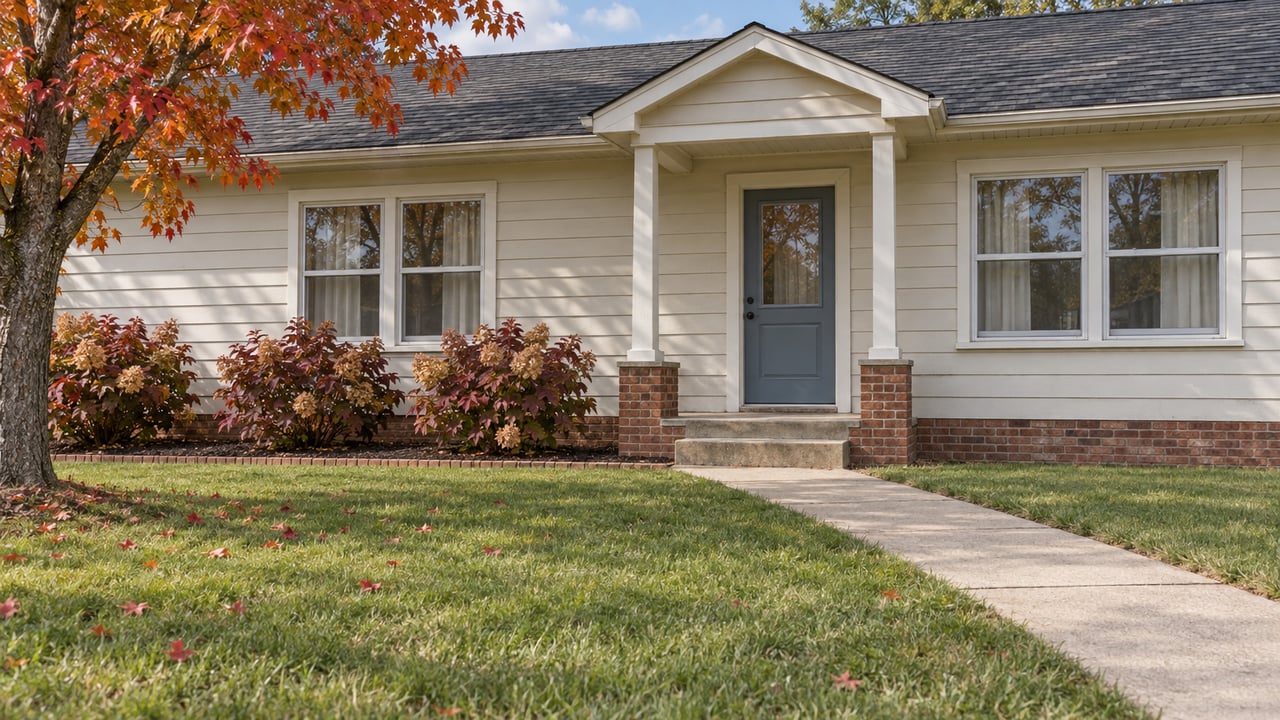
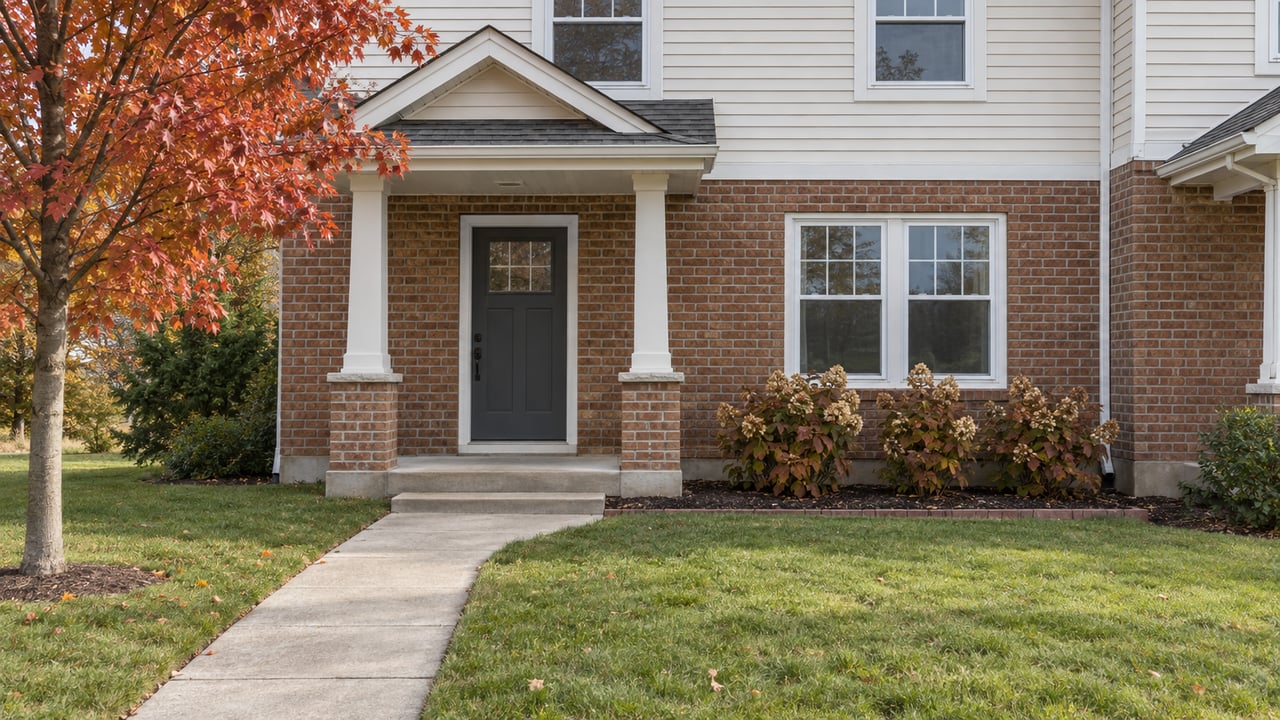
Spring brings the largest buyer pool, more home searches, and stronger showing counts. Landscaping pops, which boosts curb appeal and first impressions. Many households aim to move before or during summer, so well-priced homes see more competition. If you can prep in late winter, an early April launch often captures peak exposure.
Summer: July to August
Summer remains active, especially for buyers who missed out in spring or need a quick move. Hot weekends and vacations can trim open house traffic, so weekday showings and flexible scheduling help. Price sensitivity can increase in late summer, so tight pricing and fresh marketing matter.
Fall: September to November
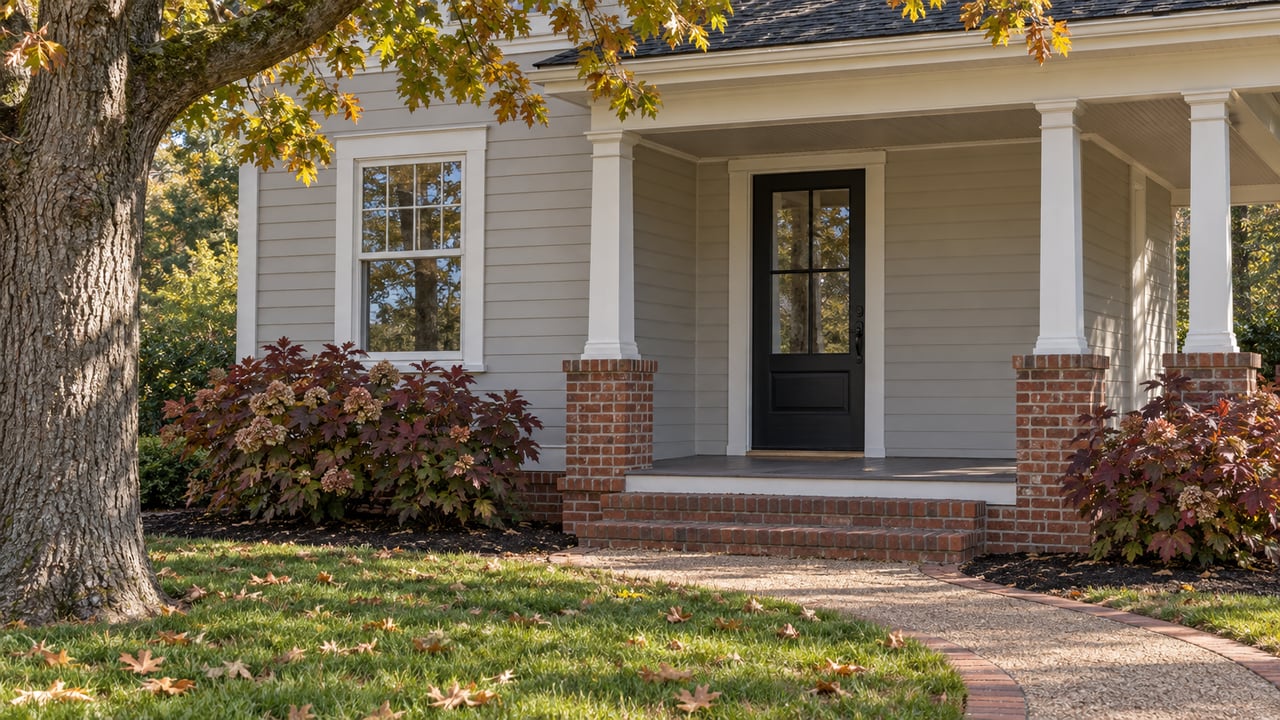
Activity steps down from peak but serious, motivated buyers stay in the market. With fewer competing listings, a well-presented home can still attract solid offers. If you want a faster, cleaner process, fall can deliver efficient timelines when you price with the data.
Winter: December to February
This is the slowest stretch for total traffic and new listings. The buyer pool is smaller but often more focused due to relocation or life events. Lower inventory can be an advantage if your home faces little direct competition, especially when it shows well in low light and cold weather.
Williamstown and nearby submarkets: what is different
Williamstown’s suburban single-family market tracks the family-oriented pattern most clearly, with spring and early summer as the traditional sweet spot. Curb appeal and light staging can make a noticeable difference here. Nearby urban areas in the Camden corridor often see more year-round demand for entry-level homes and rentals, which can soften the seasonal swing. Commuter access to the Philadelphia metro means hiring cycles and relocations can also spark demand outside the spring rush.
What can shift your best month
A few local factors can make a non-peak month the right time for you:
- Mortgage rates and financing conditions that expand or shrink the buyer pool.
- Inventory and months of supply. Limited inventory can create strong results even in off-peak months.
- Nearby new construction deliveries that change the competitive set for your price range.
- School calendars, HOA schedules, and municipal permitting that affect project and move timelines.
- Corporate or academic hiring waves that drive relocations and off-cycle demand.
How to read the market before you list
Instead of guessing, look at a short list of practical signals to decide when to go live. Your agent can pull these from local MLS and board reports.
- Showings per week on comparable active listings in your ZIP. Rising showings point to improving demand.
- Price reductions on nearby actives. Frequent reductions suggest cooling conditions or overpricing.
- New listing volume compared to recent sales. If absorption stays strong while new listings stay low, timing is favorable.
- Days on market by price band. Entry-level homes usually move faster than higher-end or unique properties.
- Months of supply. Around 3 months or less typically favors sellers, while 6 months or more favors buyers.
Ask for a 12-month rolling view so you see seasonal context, plus the sale-to-list price ratio for negotiation pressure. Recent closed comps from the last 30 to 90 days will help you set a confident price.
How long it takes to sell and close in New Jersey
Days on market usually shorten in spring and early summer and lengthen in fall and winter. After you accept an offer, your contract-to-close timeline depends on financing and contingencies.
- Cash purchases: about 7 to 21 days when title is clear.
- Conventional, FHA, or VA loans: commonly 30 to 60 days, with many contracts targeting 30 to 45 days.
- Complex sales, estates, or condos with approvals: 60 to 90 days or more.
In New Jersey, attorneys typically handle closing for both sides, which is standard and manageable with good communication. Some townships require certificates or municipal checks before closing, so confirm requirements early. Allow time for inspection periods, appraisal scheduling, and any title or survey issues.
Seller steps that speed closing
- Gather title paperwork, disclosures, and HOA documents early so buyers and attorneys can review quickly.
- Consider a pre-listing inspection to find and fix major issues before contract.
- Decide in advance if you prefer to offer credits or complete repairs. Clear choices save time.
- Be responsive for document requests and access for contractors, appraisers, and the final walkthrough.
Listing-window playbooks for Williamstown sellers
Use these practical plans based on when you expect to list. Each plan assumes you are pricing with current comps and presenting a clean, well-staged home.
If you can list in spring
- Advantages: largest buyer pool, higher online search traffic, strong showing counts.
- Plan: start prep in February to be market-ready by early April. Lean into curb appeal and bright interiors.
- Tip: schedule photos after landscaping is refreshed for stronger first impressions.
If you need to list in summer
- Advantages: active buyer pool, faster moves for buyers who missed out.
- Plan: keep lawns tidy despite heat, refresh mulch, and ensure HVAC service is current.
- Tip: adjust showing schedules around vacation weeks to maximize exposure.
If you plan to list in fall
- Advantages: less competition, motivated buyers.
- Plan: emphasize warm lighting and home comfort. Highlight energy efficiency and maintenance records.
- Tip: target a price that compares well to spring sales and current actives to shorten market time.
If you must list in winter
- Advantages: fewer competing listings and focused buyers.
- Plan: remove extra holiday decor for clean lines. Keep walkways clear and interior bright.
- Tip: use professional photos that capture natural light and schedule showings during daylight hours.
Prep timeline options: 4, 8, or 12 weeks
Choose a timeline that fits your goals and the work your home needs. Even small improvements can help you sell faster.
4-week fast track
- Week 4: Declutter, donate, and box non-essentials. Schedule a deep clean.
- Week 3: Patch, paint neutral tones, and complete minor repairs like caulk and hardware.
- Week 2: Light landscaping, fresh mulch, and power wash entry paths.
- Week 1: Staging consult, final clean, pro photos and floor plan. Confirm disclosures and utilities.
8-week standard plan
- Weeks 8 to 7: Declutter whole-house and garage. Get quotes for handyman, HVAC, and paint.
- Weeks 6 to 5: Complete contractor work, service major systems, and handle permits if needed.
- Weeks 4 to 3: Interior paint refresh, replace worn carpet or bulbs, and fix door hardware.
- Weeks 2 to 1: Staging setup for key rooms, landscaping touch-ups, photos and video on a sunny day.
12-week enhanced refresh
- Weeks 12 to 10: Evaluate cosmetic updates like counters, fixtures, or tile grout refresh.
- Weeks 9 to 7: Complete targeted upgrades and any exterior trim or siding repairs.
- Weeks 6 to 4: Pre-listing inspection, address high-impact items, and gather HOA or warranty docs.
- Weeks 3 to 1: Staging, final punch list, photography, and a go-live plan with open house dates.
Quick checklist: Is now a good time for you?
Use this checklist to decide if you should list now or target a later window.
- Personal timing: Do you need to align with a job start, settlement on a new home, or your preferred move date?
- Local inventory: Are there few comparable actives in your price range right now?
- Demand signals: Are showings and pending sales rising in your ZIP over the past 30 days?
- Financial fit: Would a small rate change for buyers significantly affect your price band?
- Property readiness: Can you complete your prep plan without delay?
- Flexibility: If you needed a faster outcome, would you consider a cash or guaranteed timeline option?
How we help you pick the right window
The right listing month balances your goals with real-time market data. You should see current days on market and months of supply for homes like yours, not just broad headlines. You should also have options that match your timing needs.
With professional marketing, pricing expertise, and flexible sale programs, you can choose the path that fits:
- Guaranteed Sale for a defined timeline and reduced uncertainty.
- Immediate Buyout for a quick cash sale when speed matters most.
- Hassle-Free listing for a streamlined process with strong exposure and staging guidance.
If you are thinking about selling in Williamstown or nearby Gloucester and Camden submarkets, let’s review your timing, pricing, and prep plan together. Reach out to Jennifer Ferrara for a neighborhood-specific strategy and a clear path to closing.
FAQs
What is the best month to sell a home in Williamstown?
- Spring and early summer generally deliver the largest buyer pool and faster sales, but low inventory or strong demand can make other months competitive. Check current local data before deciding.
How long does it take to close after accepting an offer in New Jersey?
- Cash deals often close in 7 to 21 days, while financed purchases commonly take 30 to 60 days. Complex transactions can run 60 to 90 days or more.
Should I wait for spring if I receive a winter offer?
- Compare the offer terms, your timeline, and the number of competing listings. If inventory is low and the terms are strong, accepting now can be smart.
How much prep do I need before listing my Williamstown home?
- Plan at least 4 to 6 weeks for decluttering, light repairs, cleaning, and staging. More extensive cosmetic updates usually need 6 to 12 weeks.
What market data should I review before picking a listing date?
- Ask for current days on market, months of supply, recent comparable sales, showing activity for similar actives, and the sale-to-list price ratio in your price band.