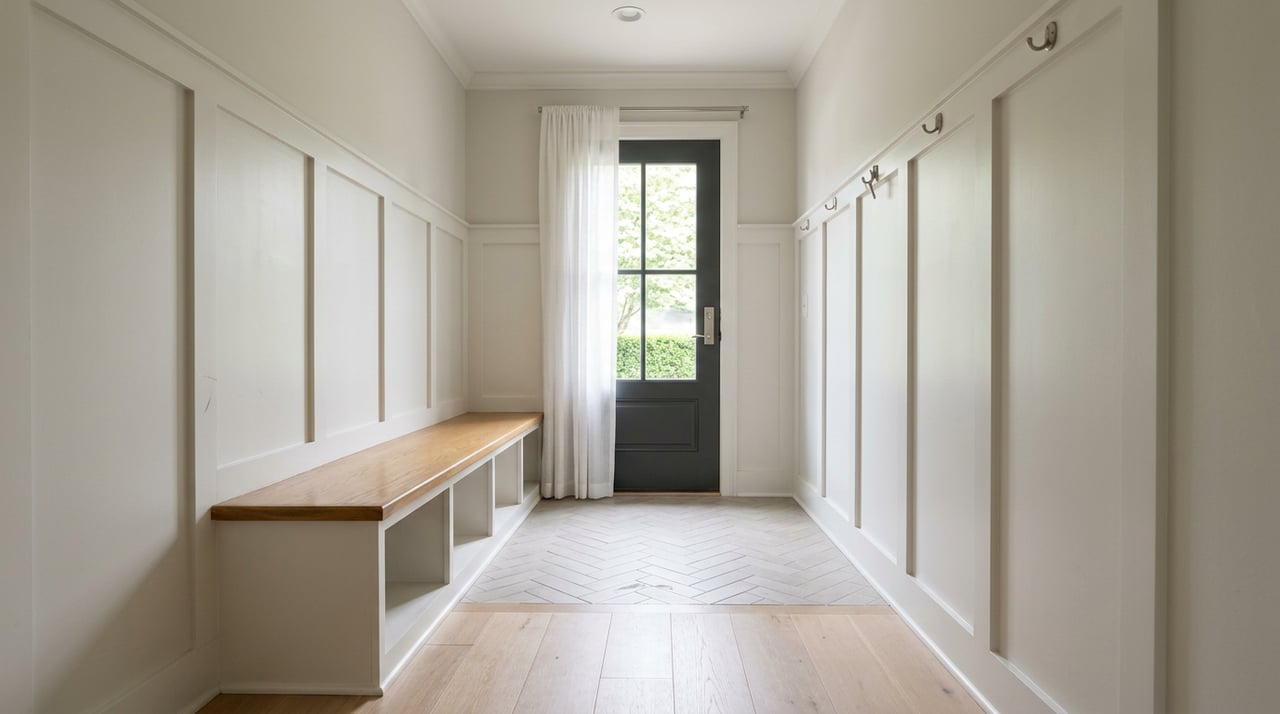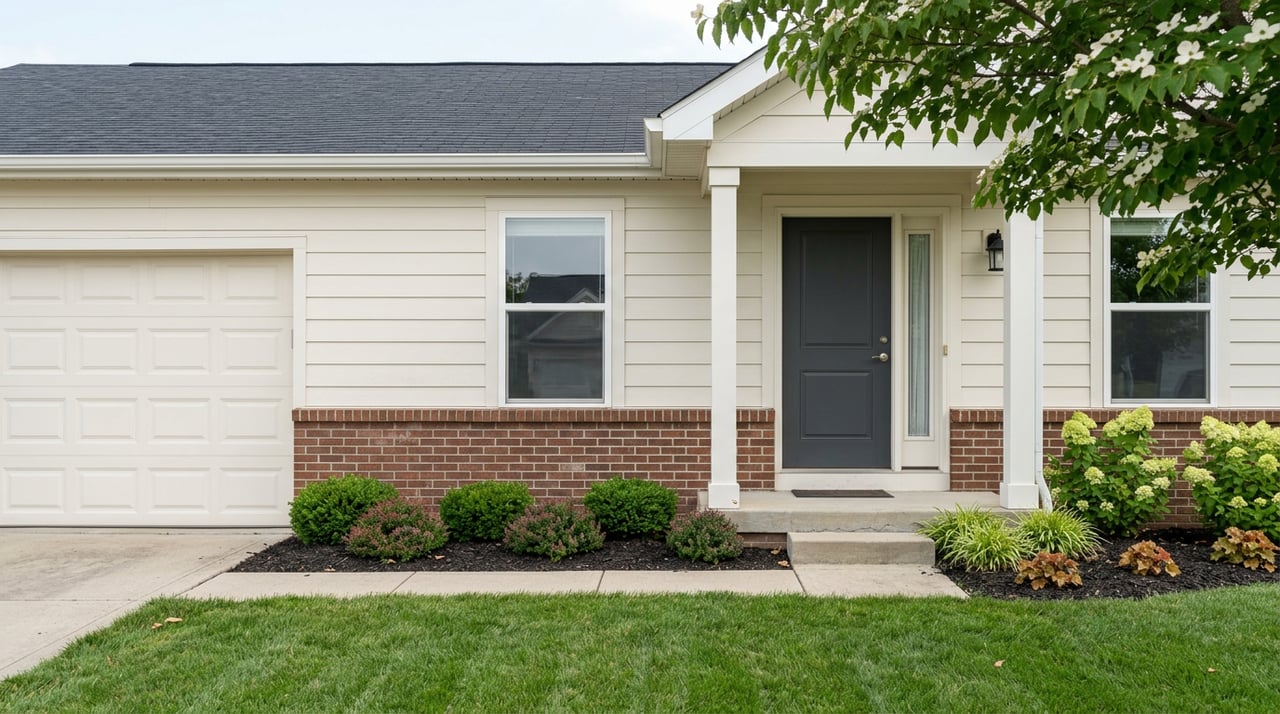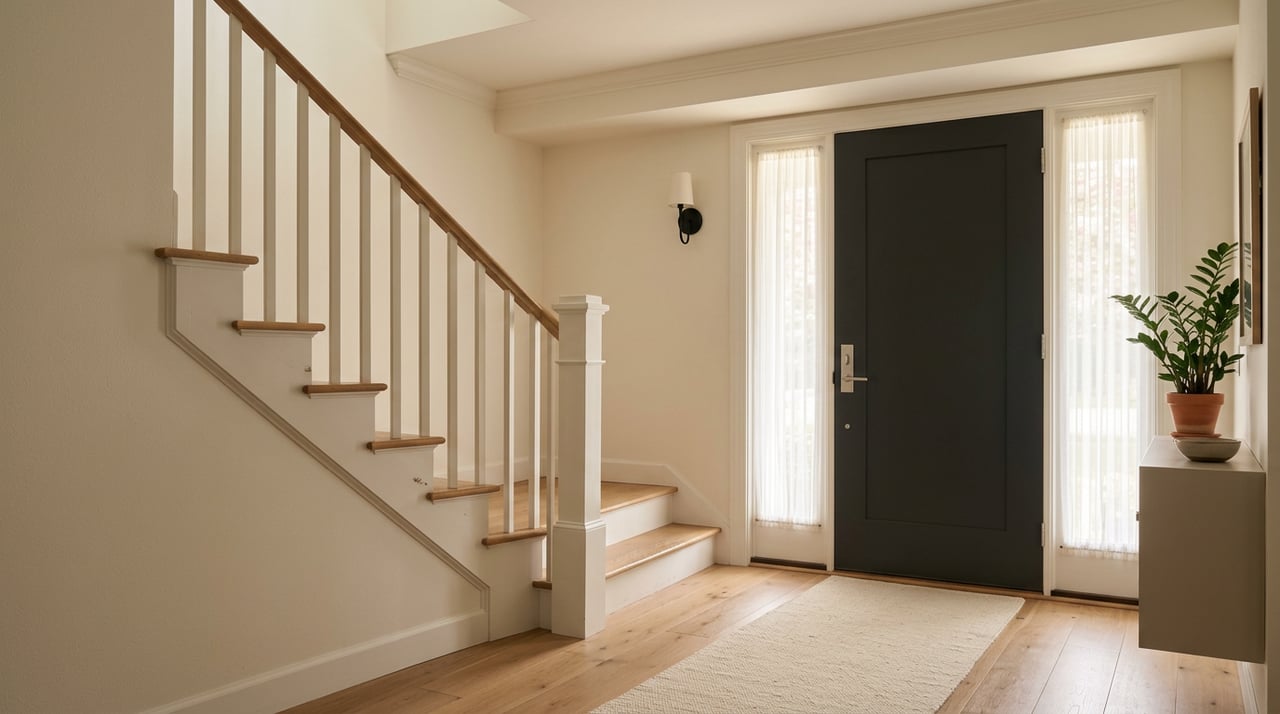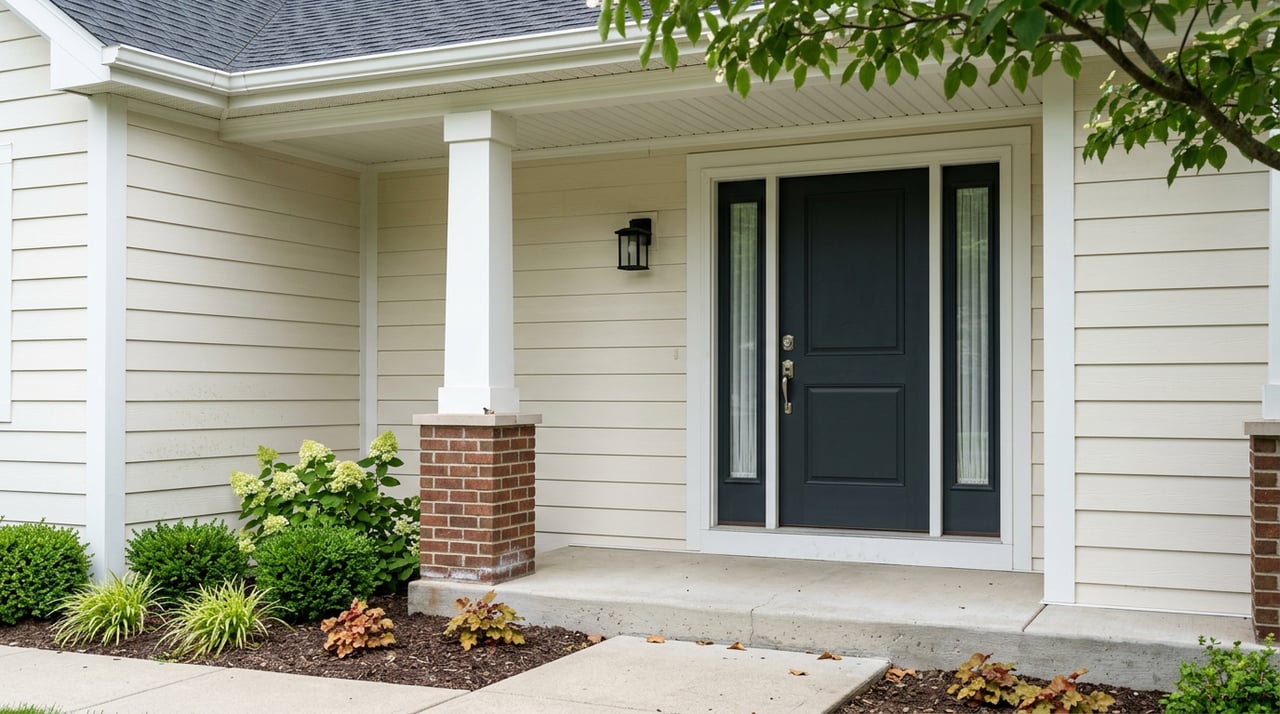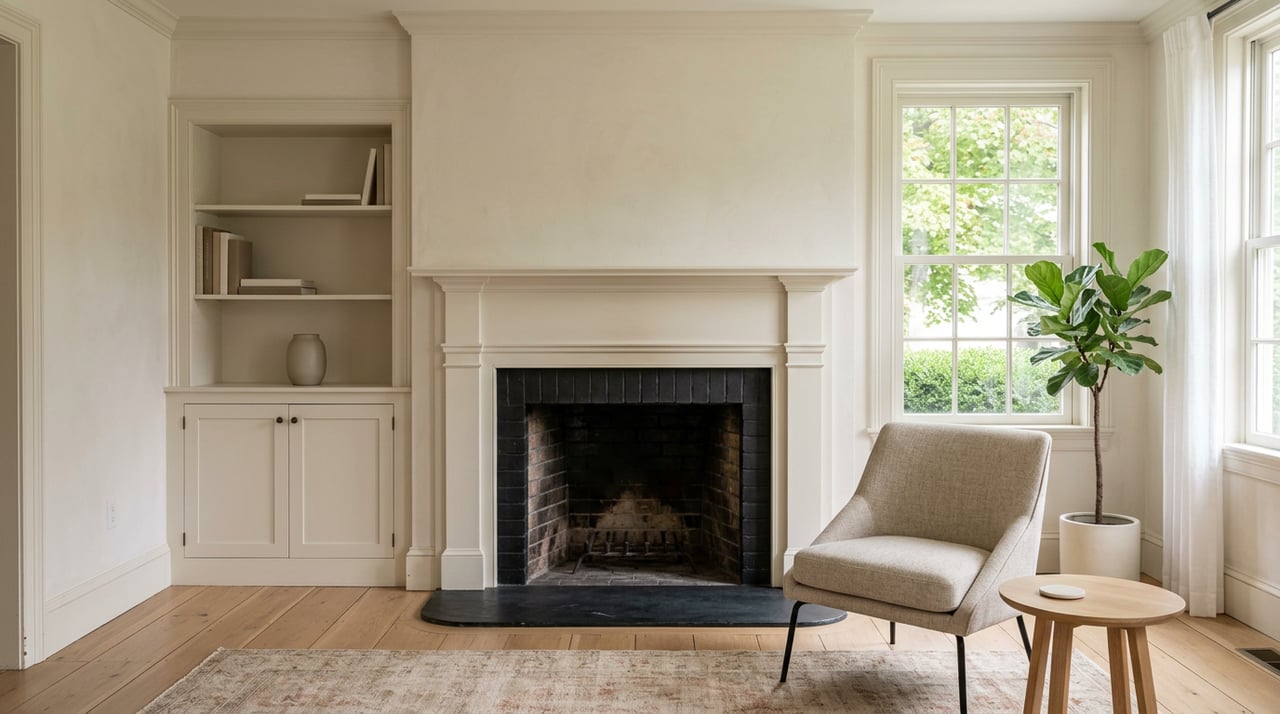
You love the wood floors, the wavy glass, and the porch that watches over Main Street. But you also want a clean, predictable sale without stripping away what makes your Mullica Hill home special. If that balance feels tricky, you’re not alone. In this guide, you’ll learn how to honor your home’s character while meeting today’s buyer expectations, local rules, timelines, and disclosure requirements. Let’s dive in.
Why Mullica Hill charm sells
Mullica Hill is known for its historic village core. The Mullica Hill Historic District is listed on the National Register of Historic Places, which signals to many buyers that architectural character is protected and valued in the area. You can reference the official listing for context on why the district is recognized at the national level (National Park Service listing).
At the same time, the town’s Main Street is an active draw for visitors and future buyers who appreciate small-town heritage and walkability. Local businesses and events supported by a Main Street organization help keep the district top of mind with people who love old-house appeal.
Know the historic rules
Selling a character home here typically involves a few local steps. The key is to plan ahead so your listing timeline stays on track.
What the HPC reviews
Harrison Township’s Historic Preservation Commission (HPC) administers the Mullica Hill Historic District. If your home is in the district, exterior work visible from the street usually requires a Certificate of Appropriateness (COA) before you do the work. The township explains the process, meeting format, and who to contact on its HPC page (Harrison Township HPC).
The COA application outlines what counts as a minor vs. major project. Paint color changes, window replacement, porch alterations, new trim, and signage are examples that often trigger review. Read the township’s COA instructions to see submission requirements and how your project will be evaluated (COA application instructions).
Plan your timeline
COA applications must be submitted in advance of a public HPC meeting. Minor items can sometimes be approved at the meeting, while major projects may take longer. As a practical rule of thumb, plan for 4 to 8 weeks from design decision to final COA approval for ordinary projects. Since meeting schedules can change and references sometimes differ across documents, confirm current dates and deadlines with the Township Clerk or HPC staff before you file (Harrison Township HPC).
Notify your buyer
Local ordinance requires written notice to a buyer when a property is located in the local historic district. Build this step into your listing and contract timelines so there are no surprises at closing (Harrison Township code reference).
Disclosures and safety first
Transparent disclosures and safe systems protect your price and reduce renegotiations.
New Jersey seller forms
New Jersey updated real estate consumer protections in 2024. You must complete and provide the state’s Seller’s Property Condition Disclosure Statement as the statute and guidance require. Make the completed form available early in the listing process to set clear expectations (NJ statute update).
You also need to disclose flood-risk details using state resources and FEMA designations. The state provides a Flood Risk Notification Tool to help you confirm whether your property overlaps a designated flood hazard area, and buyers often ask about past flooding and insurance costs (state flood-risk announcement).
Lead-based paint rules
If your home was built before 1978, federal law requires you to provide the EPA/HUD lead pamphlet, disclose known lead-based paint hazards, and allow a 10-day inspection period unless waived. If you plan any paint or window work before listing, contractors must follow EPA Renovation, Repair and Painting (RRP) rules to keep the site lead-safe (EPA lead disclosure overview).
Common older-home checks
Many older homes have legacy wiring, aging plumbing, older HVAC, or roof and flashing wear that today’s buyers and lenders scrutinize. Consider a pre-listing general inspection and, if indicated, targeted checks for electrical, chimney, septic or well, and environmental concerns. Organize repair receipts, utility upgrades, and any prior COA approvals into a simple disclosure packet. This signals care and helps buyers and appraisers understand the home’s condition.
Preserve character, update smart
Your goal is to keep what makes the house special while delivering a home that feels move-in ready.
Use preservation standards
When planning visible work, lean on the Secretary of the Interior’s Standards for Rehabilitation. These guidelines favor repair over replacement, limited and reversible updates, and new work that fits the home’s scale and materials. The HPC references these principles during review, so they are a solid planning framework for sympathetic updates (Secretary’s Standards).
Prioritize buyer-ready work
Focus on what most buyers value first:
- Safety and core systems. Make sure the electrical system is safe, the roof is sound, plumbing works properly, and heating and cooling are in good shape. This protects financing and insurance options.
- High-impact cosmetics. Deep clean, repair trim, polish floors, and refresh interior paint in a neutral palette. For exteriors, choose historically appropriate colors and apply for a COA if required.
- Kitchens and baths. Favor sympathetic, modest updates like refacing cabinets, replacing counters, upgrading fixtures, and selecting appliances that suit the home’s style.
- Exterior character features. Repair porches, windows, shutters, and decorative trim whenever possible. If replacement is unavoidable, match design, size, and material closely and file for a COA when the change is visible from the street.
Spend where it pays back
National Cost vs. Value data shows minor kitchen refreshes typically recoup a higher share of cost than major gut remodels. If you are improving before listing, prioritize safety, curb appeal, and targeted kitchen and bath updates rather than large-scale renovations that are hard to recover at sale (Remodeling ROI snapshot).
Pricing and appraisal prep
Character homes can appraise differently from newer construction because unique features and layouts do not always have one-to-one comps. Help the process by assembling a neat file with your COA approvals, contractor receipts, system upgrades, and a brief summary of sympathetic improvements. Appraisers can then evaluate nearby like-kind sales and adjust for modernization and condition.
Across many markets, well-preserved historic districts have shown price stability and sometimes premiums compared to non-designated areas. While every property is unique, this research supports marketing your home’s authenticity and stewardship as real value drivers (preservation economics research overview).
Stage and market the story
You are not just selling square footage. You are selling a story, materials, and a way of living.
Stage to spotlight details
Staging helps buyers visualize how rooms live and often improves offers. For older homes, keep the palette light and furnishings simple so original mantels, millwork, stair rails, and built-ins take center stage. According to national surveys, staging can shorten time on market and increase perceived value, which matters when your home’s details deserve attention (NAR staging profile).
Invest in the right visuals
Professional photography should include wide shots for flow and crisp detail shots of hardware, trim, and specialty glass. Add a floor plan and a virtual or 3D tour so long-distance buyers can understand the layout before arriving in person. Your first listing photo should frame curb appeal and period character.
Reach the right buyer pool
Highlight authentic elements in your description: year built, architectural style, notable original materials, and any sympathetic upgrades. If you have a short, documented history of the home, include it. Specialty channels that focus on historic properties can expand reach, and a themed open house or “details tour” can help buyers connect with what makes your home unique.
A smooth sale, on your terms
You can protect your home’s history and still sell with speed and certainty. Plan for local HPC steps, handle disclosures early, prioritize buyer-ready updates, and market the story well. If timing or logistics are your priority, you have options.
Jennifer Ferrara offers professional listing services with photography, staging guidance, and broad MLS and social exposure, plus flexible programs designed for predictable outcomes. Choose from a Guaranteed Sale timeline, an Immediate Buyout for a fast cash option, or a Hassle-Free listing that reduces complexity while protecting your bottom line. Ready to talk strategy for your Mullica Hill home? Connect with Jennifer Ferrara for a free, no-pressure valuation and a preservation-smart plan.
FAQs
What makes a home a “character home” in Mullica Hill?
- A character home typically features original elements like period trim, wood floors, wavy glass, and porches, and may be located within the Mullica Hill Historic District recognized on the National Register.
Do I need approval to change exterior paint or windows in the district?
- Yes if the work is visible from the street. Most exterior changes in the district require a Certificate of Appropriateness from the Harrison Township HPC. Review the process and submit forms before starting work (Harrison Township HPC).
What New Jersey disclosures apply when selling my older home?
- You must complete the state Seller’s Property Condition Disclosure Statement and provide required flood-risk information. If your home was built before 1978, federal lead-based paint disclosures also apply (NJ statute update, state flood-risk announcement, EPA lead disclosure overview).
How long does a Mullica Hill COA approval usually take?
- Plan for roughly 4 to 8 weeks from design decision to approval for ordinary projects, but confirm current meeting dates and lead times with the Township Clerk or HPC staff because schedules can change (COA instructions).
What updates deliver value without erasing historic character?
- Start with safety and core systems, then focus on high-impact cosmetics. In kitchens and baths, minor refreshes often deliver stronger payback than full gut remodels, while preserving original materials where possible (Secretary’s Standards, Remodeling ROI snapshot).
How should I prepare for appraisal on a historic or character home?
- Assemble a packet with COA approvals, permits, contractor receipts, and a summary of sympathetic upgrades. This helps appraisers weigh comparable sales and adjust for condition, modernization, and preserved features.