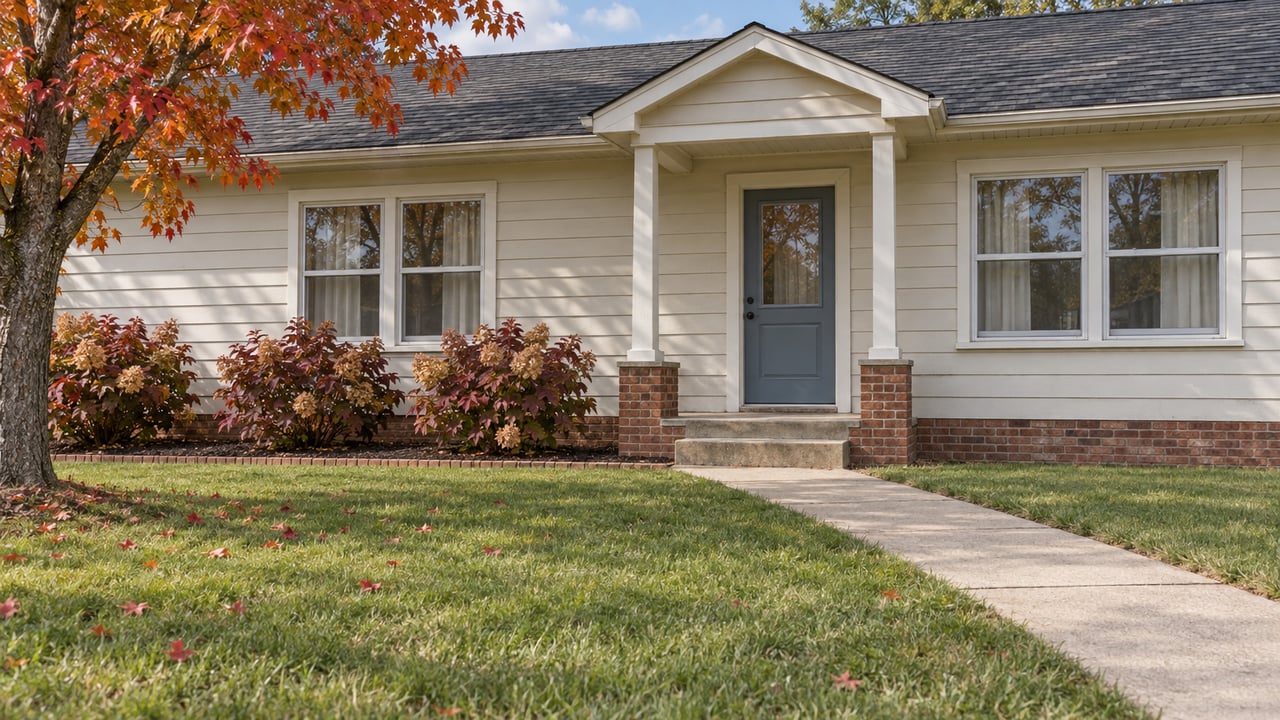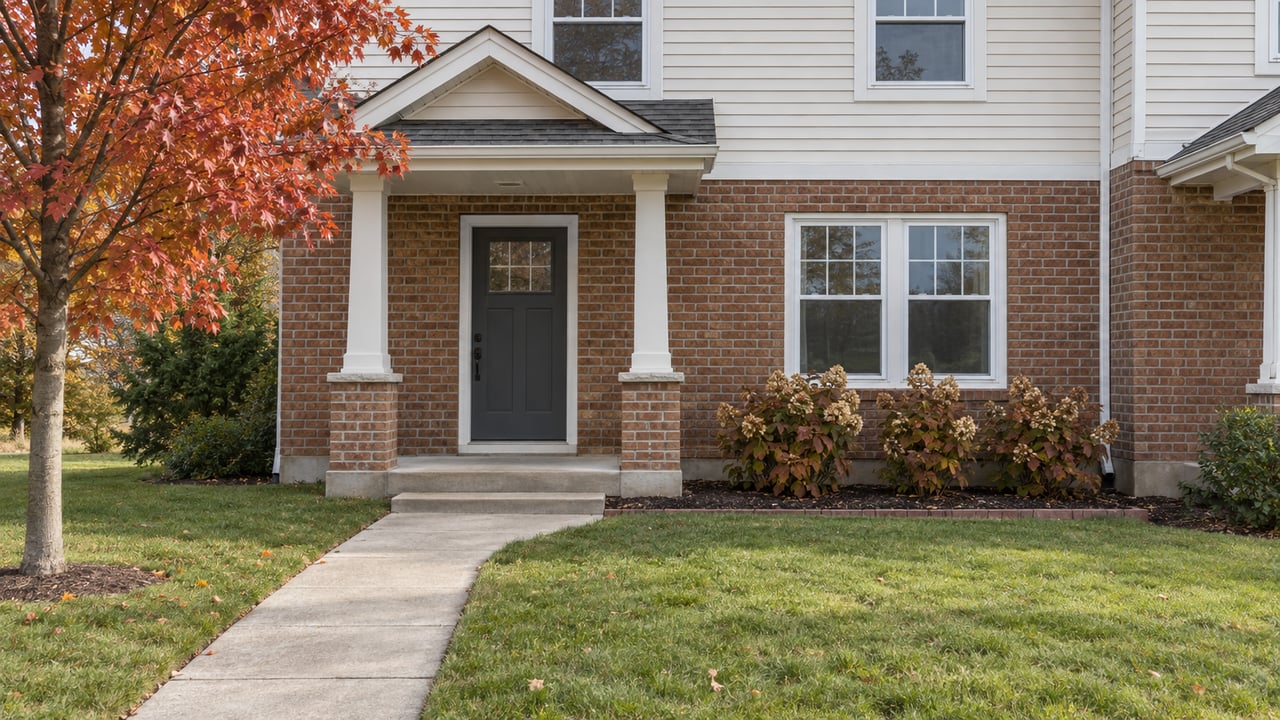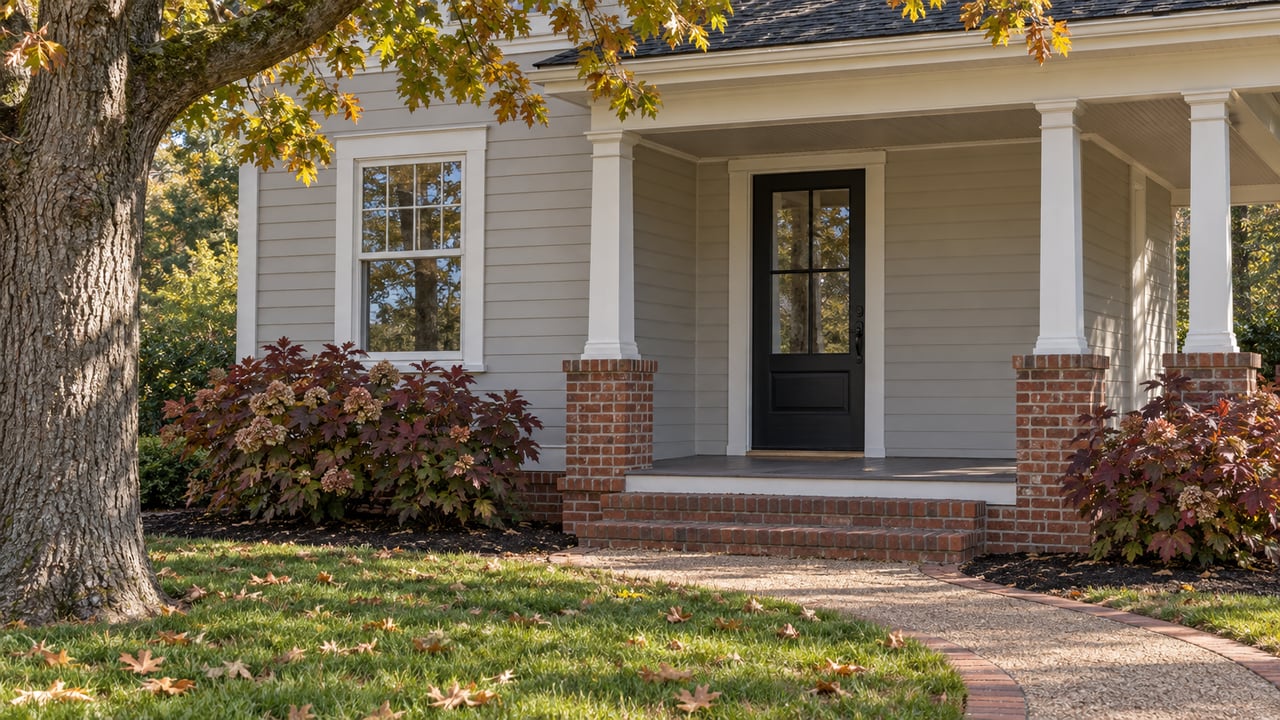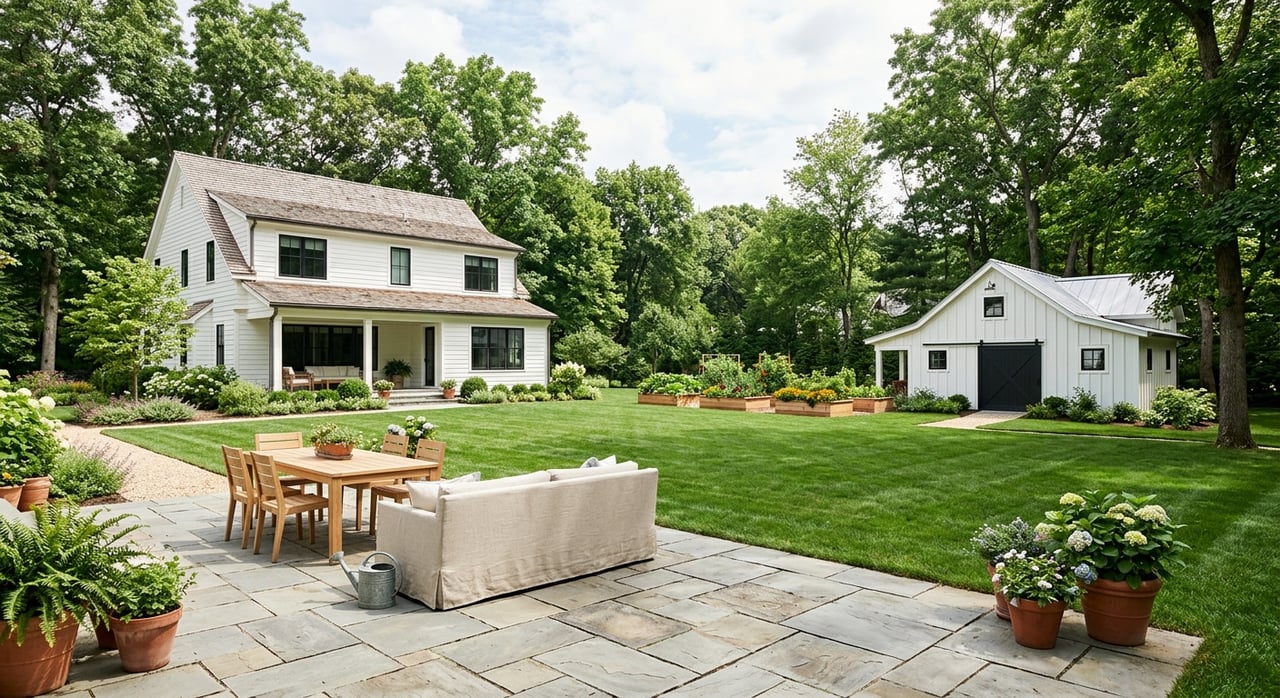
If you are selling a home on acreage in Franklinville, you are not just selling bedrooms and bathrooms. You are selling space, flexibility, and a land story that buyers need to understand quickly. The right marketing can make that value clear, answer the questions buyers will ask, and help your property stand out for the right reasons. Let’s dive in.
Acreage Marketing Works Differently
Franklinville sits within Franklin Township, a rural community where nearly half the land is devoted to agriculture, about 25% is residential, and about one-third of the township is within the Pinelands National Reserve. Franklin Township also describes itself as the largest municipality in Gloucester County at 56 square miles. That setting shapes how buyers look at larger lots.
A bigger parcel here is usually not viewed the same way as a standard suburban lot with extra lawn. Buyers often want to know how the land lays out, how much privacy it offers, and whether it may support uses like gardening, outdoor recreation, or agricultural activity. In other words, the land itself is part of the property’s value.
Start With the Land Story
When you market acreage in Franklinville, the first goal is clarity. Buyers need to understand what they are looking at before they can see the full opportunity in the property. If the listing focuses only on the house and leaves the parcel story vague, you can lose interest from serious buyers.
A strong acreage listing should explain key features such as:
- Parcel size and shape
- Road access and driveway approach
- Open fields and wooded areas
- Fenced sections or garden space
- Barns, sheds, or other accessory structures
- Streams, ponds, wetlands, or drainage features
- How the home sits on the lot
This kind of presentation helps buyers picture daily use of the property. It also reduces confusion during showings and follow-up questions.
Zoning Matters in Franklinville
Franklin Township land-use documents show that larger-lot properties may fall within districts such as R-A Residential Agricultural, PR-R Pinelands Rural Residential, and PA-P Pinelands Agricultural Production. These districts are not designed around a typical suburban pattern, so zoning can shape what the land may support.
In the R-A district, permitted uses include single-family detached dwellings, agricultural uses, forestry, conservation and recreation uses, farm labor facilities, customary farm buildings, fences, pools, and certain parking or driveway uses. In the Pinelands districts, the township also allows uses tied to farming, forestry, outdoor recreation, and agricultural commercial activity, depending on the district.
For sellers, that means your marketing should describe the property in terms of what the land actually offers. Broad claims can create problems, but a fact-based explanation of the parcel, district, and existing improvements helps buyers understand the real value. This is one of the biggest differences between marketing acreage and marketing a smaller in-town property.
Show What the Parcel Looks Like
Visual marketing is especially important for larger lots. Gloucester County’s GIS tools and tax map resources allow parcel information to be searched by block and lot, address, or map page, and county GIS data can also be searched by owner and street. The county notes that aerial orthophotography and hydrology data are available through public mapping resources.
For an acreage listing, aerial views and parcel maps can do a lot of heavy lifting. They can help show tree lines, field placement, water features, access points, and the overall relationship between the home and the land. Buyers often understand a property faster when they can see it from above.
Best Photos for Larger Lots
The strongest visuals for Franklinville acreage usually tell the land story first. That often includes:
- The entry and driveway approach
- Wide shots of the house placement
- Open land and wooded edges
- Barns, garages, sheds, or fenced areas
- Garden areas or cleared sections
- Water or drainage features that affect usable space
If drone photography is used, commercial aerial photography falls under FAA Part 107 rules. That is why it is smart to use a compliant professional operator who can capture the property safely and legally.
Answer Buyer Questions Before They Ask
Acreage buyers usually ask more detailed questions than buyers of a standard suburban home. The more you answer up front, the smoother the sale process can feel.
One of the first questions is often about well and septic. The New Jersey Department of Environmental Protection says the Private Well Testing Act requires testing of untreated groundwater for certain contaminants in transactions involving potable wells, and the results must be reviewed before closing. NJDEP also says homeowners should keep a septic maintenance schedule and understand proper system care.
That makes well records, septic service history, and any related documentation important marketing materials, not afterthoughts. Having them ready can build trust and help buyers feel more comfortable moving forward.
Usable Acreage Is a Key Issue
Buyers also want to know how much of the land is truly usable. In Franklin Township’s R-A district, larger subdivision standards require identification of wetlands, floodplain, woodlands, slopes, utilities, easements, and other site constraints. The ordinance also notes that base density is calculated net of wetlands but including buffers.
Even when a property is not being subdivided, these factors still matter to a buyer trying to understand the parcel. They may want to know what part of the land is open, mowable, gardenable, or otherwise easy to use. A clear explanation can make your listing much more effective.
Be Ready to Discuss Farmland Assessment
Some Franklinville acreage may carry farmland assessment. In New Jersey, farmland assessment generally requires at least 5 contiguous acres devoted to agricultural or horticultural use, continuity of use, and a minimum gross-sales threshold.
If the use changes from agricultural or horticultural to non-farm use, rollback taxes may be assessed for the year of change and the two prior years. If your property has farmland-assessment status, buyers will likely want to know whether it applies now and what a future change in use might mean. This is another reason documentation matters so much when marketing a larger lot.
Access and Records Can Affect Value
On acreage, access and title questions often carry more weight than they do on a small residential lot. Franklin Township’s larger-subdivision review requirements include a survey, wetlands delineation, a report on easements and restrictions, and a Phase I environmental assessment. The ordinance also says new intersections with public roads should be minimized.
Gloucester County land records include deeds, mortgages, judgments, and subdivision or highway maps. For sellers, that means a pre-listing records review can be very useful. It can help confirm boundaries, identify recorded restrictions, and avoid surprises once a buyer starts due diligence.
Confirm Accessory Structures and Permits
Barns, sheds, decks, pools, and additions often add appeal to acreage properties, but buyers may ask whether they were properly permitted. Franklin Township says a zoning permit is required for new construction, alterations, changes in use, and accessory structures.
Before your home goes on the market, it helps to gather records for these features if available. If you market the property as move-in ready, buyers will expect the major improvements and outbuildings to have a clear paper trail.
A Practical Pre-Listing Checklist
The best Franklinville acreage listings are built around preparation. When you organize the property file before listing, you make the home easier to market and easier for buyers to understand.
A useful checklist includes:
- Survey or parcel map
- Deed and available title history
- Easement or restriction documents
- Well testing information
- Septic records and service history
- Permits for barns, sheds, pools, decks, or additions
- Farmland-assessment paperwork, if applicable
- Notes on wetlands, drainage, or other land constraints
This kind of package supports stronger marketing and more confident buyer conversations. It also helps reduce the back-and-forth that can slow down a sale.
Why Strategy Matters for Franklinville Sellers
Selling acreage in Franklinville takes more than putting a home on the MLS and waiting for the right buyer to show up. You need the pricing, visuals, documentation, and positioning to match how buyers actually evaluate rural and larger-lot properties.
That is where a listing strategy matters. Professional photography, broad digital exposure, and clear presentation can help buyers see the full opportunity in the property, while a well-prepared listing package can reduce uncertainty. If timing, convenience, or predictability are especially important to you, it also helps to work with a local listing professional who can guide you through traditional marketing options as well as alternative selling paths.
If you are thinking about selling acreage or a larger lot in Franklinville, working with a listing-focused expert can help you present the property clearly, attract serious buyers, and choose the sale approach that fits your timeline. For tailored guidance and selling options, connect with Jennifer Ferrara.
FAQs
How is marketing acreage in Franklinville different from marketing a standard home?
- Acreage marketing needs to explain the land itself, including parcel layout, access, zoning context, utility systems, accessory structures, and usable space, not just the house features.
What zoning issues matter for larger lots in Franklinville?
- Franklin Township includes districts such as R-A Residential Agricultural, PR-R Pinelands Rural Residential, and PA-P Pinelands Agricultural Production, so the parcel’s district can affect permitted uses and how the property should be presented.
What documents should Franklinville acreage sellers gather before listing?
- Helpful records include a survey or parcel map, deed, title history, easement documents, well and septic information, permits for accessory structures, and any farmland-assessment paperwork.
Why do buyers ask about usable acreage in Franklinville?
- Buyers want to understand how much land is open or practical to use, especially where wetlands, floodplain, slopes, easements, or drainage features may affect the parcel.
Do Franklinville acreage listings benefit from aerial photography?
- Yes, aerial images can help show parcel shape, tree lines, access, fields, and water features, which are often harder to understand through ground-level photos alone.
What should sellers know about wells and septic systems in Franklinville?
- If the property has a potable well, New Jersey’s Private Well Testing Act requires testing in applicable transactions, and buyers will also want septic maintenance records and service history when available.