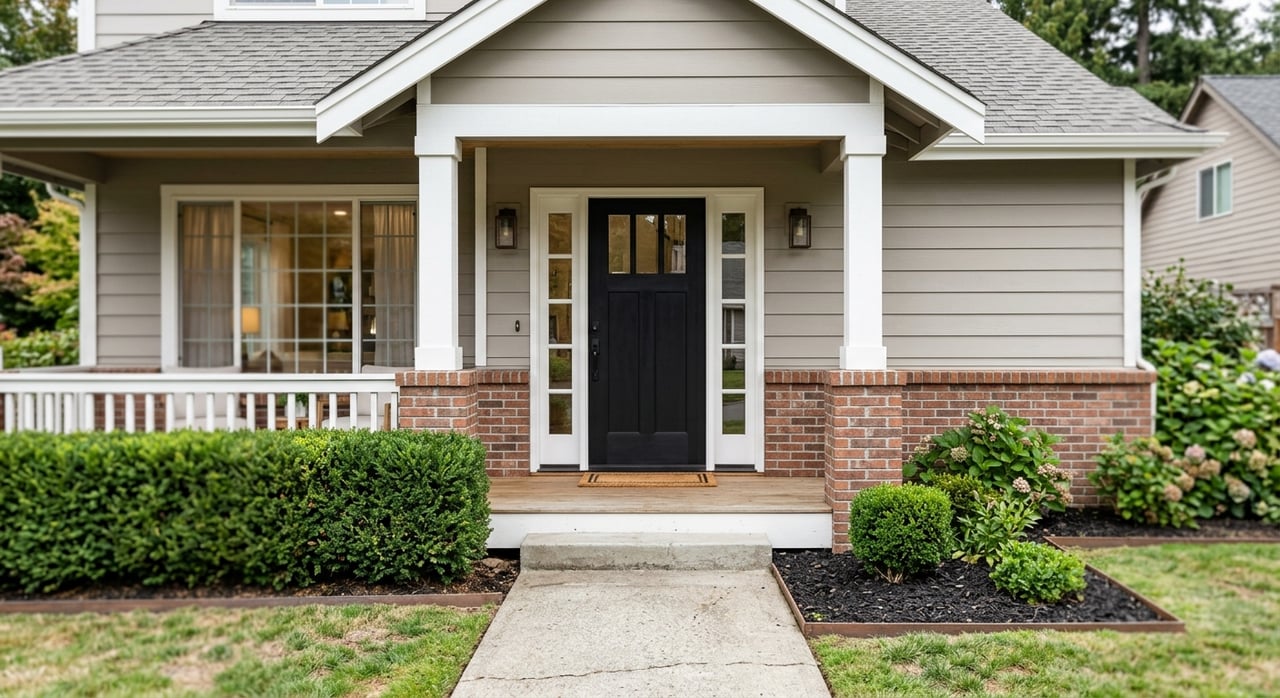
If you have lived in your Franklinville home for years, downsizing can feel like a major life project, not just a real estate move. You may be balancing memories, maintenance, timing, and the question of where to go next. The good news is that with a clear plan, you can simplify the process, protect your equity, and make your next move feel more manageable. Let’s walk through what longtime homeowners in Franklinville should know.
Why downsizing matters in Franklinville
Franklinville sits within Franklin Township, a rural part of Gloucester County with strong roots in homeownership. Census data shows an 86.1% owner-occupied housing rate in Franklin Township, and 17.9% of residents are age 65 and older. The township also reports 2,219 senior citizens, which makes downsizing a common local conversation.
The local housing stock also helps explain why many owners start thinking about a smaller next step. A 2025 township housing plan shows that 93.86% of housing units are detached homes, 56.73% are three-bedroom homes, and many homes were built in the 1970s. For longtime owners, that often means more square footage, older systems, and more belongings than the next home will need.
Franklin Township also has development limits in parts of the area because about one-third of the township is within the Pinelands National Reserve. That matters because your ideal downsizing option may not be a smaller version of your current home right in Franklinville. In some cases, the best fit may be a different home type or a nearby community.
Start with your downsizing goals
Before you sort a single closet, define what downsizing should accomplish for you. Some homeowners want lower upkeep, while others want one-floor living, a simpler budget, or a move closer to everyday needs. Your next step becomes easier when you know what problem you are trying to solve.
A few common downsizing goals include:
- Reducing home maintenance
- Lowering monthly housing costs
- Moving to a smaller layout
- Finding single-level living
- Freeing up equity for retirement or other plans
- Simplifying the move timeline
Once your goals are clear, you can make better decisions about repairs, pricing, timing, and your next home search. This is also where a seller-focused plan can help you avoid doing work that does not move you closer to your goal.
Sort your home before you list
For most longtime owners, the first real downsizing task is not packing. It is sorting. If you have spent years in one home, you are likely dealing with a mix of useful items, sentimental pieces, paperwork, and furniture that may not fit your next space.
A practical way to begin is to create four categories:
- Keep
- Donate
- Sell
- Discard
The National Association of Realtors reported in 2025 that 83% of buyers’ agents believe staging makes it easier for buyers to picture a home as their future home. That matters because decluttering is not only about helping you move. It also helps your home present better in photos, videos, and showings.
What to keep first
Start with the items you already know belong in your next home. Think daily-use furniture, essential kitchen items, medications, important records, family heirlooms with a clear plan, and paperwork for major home improvements or system updates.
If something does not fit your next home, does not support the sale, and does not carry enough personal value to justify storing it, it may be time to let it go. This mindset can make decisions easier and keep the process moving.
What to remove before photos
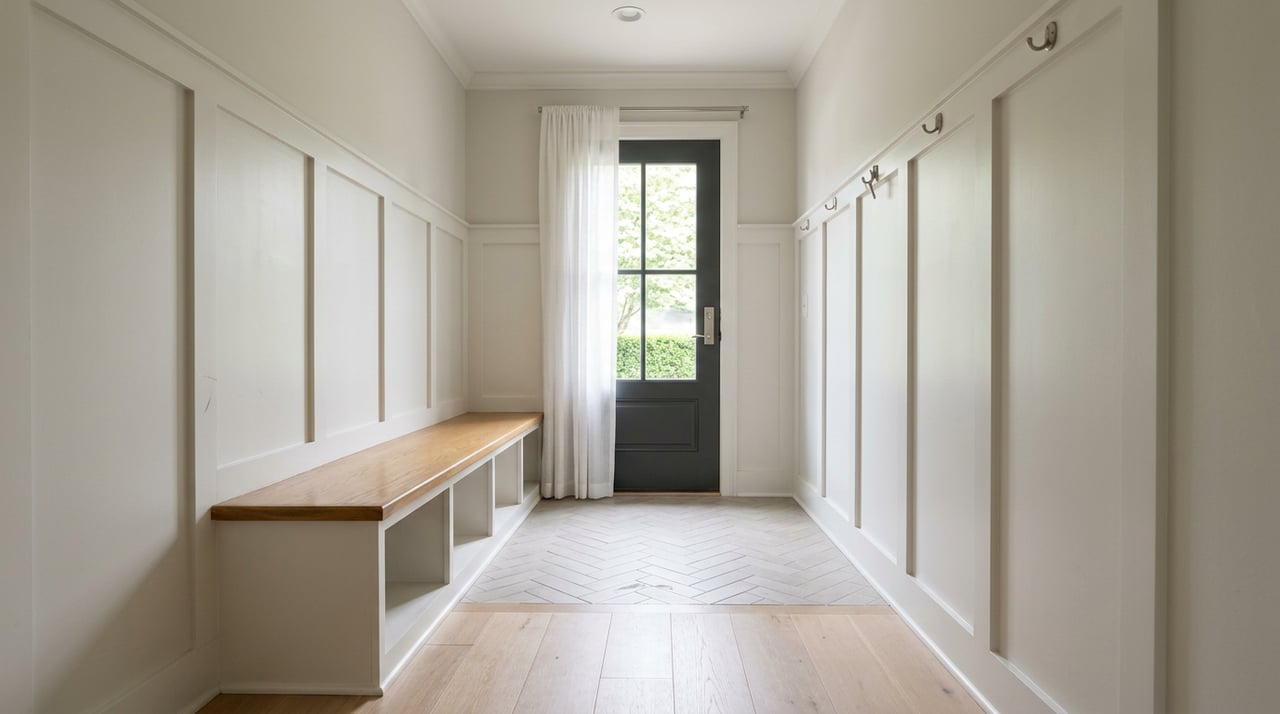
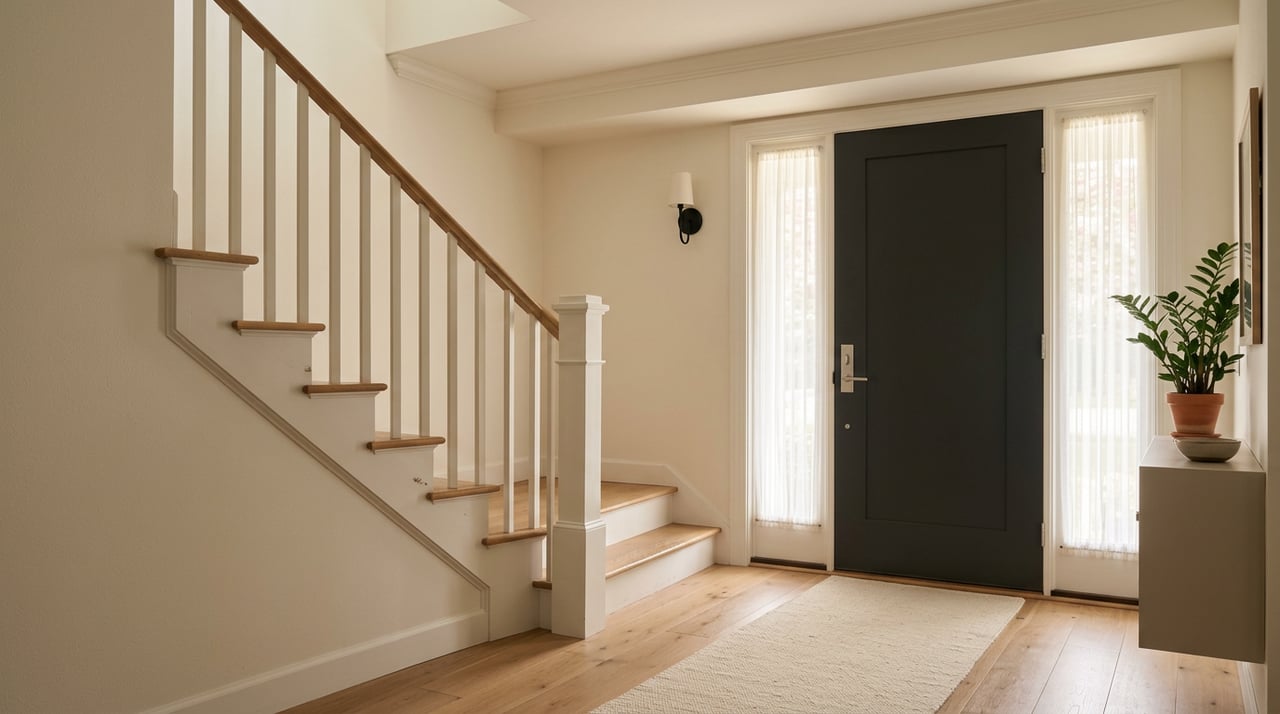
Staging guidance for sellers often focuses on creating a calm, open feel. That usually means packing away personal items, removing bulky furniture, keeping closets about half full, and making the entry and main living areas feel more open.
You do not need a full remodel to make a strong impression. In many cases, less visual clutter and better room flow can do more for buyer appeal than expensive updates.
Prepare an older home for the market
Because Franklinville has so many detached homes that were built decades ago, condition and presentation matter. Buyers are often comparing one home against another based on cleanliness, maintenance, and how move-in ready it feels.
That does not mean you need to renovate everything. It does mean you should focus on visible issues, worn finishes, and items that could distract buyers during showings.
Prioritize these pre-listing steps
A smart pre-listing checklist often includes:
- Repainting worn or highly personalized areas with neutral colors where needed
- Addressing visible maintenance issues
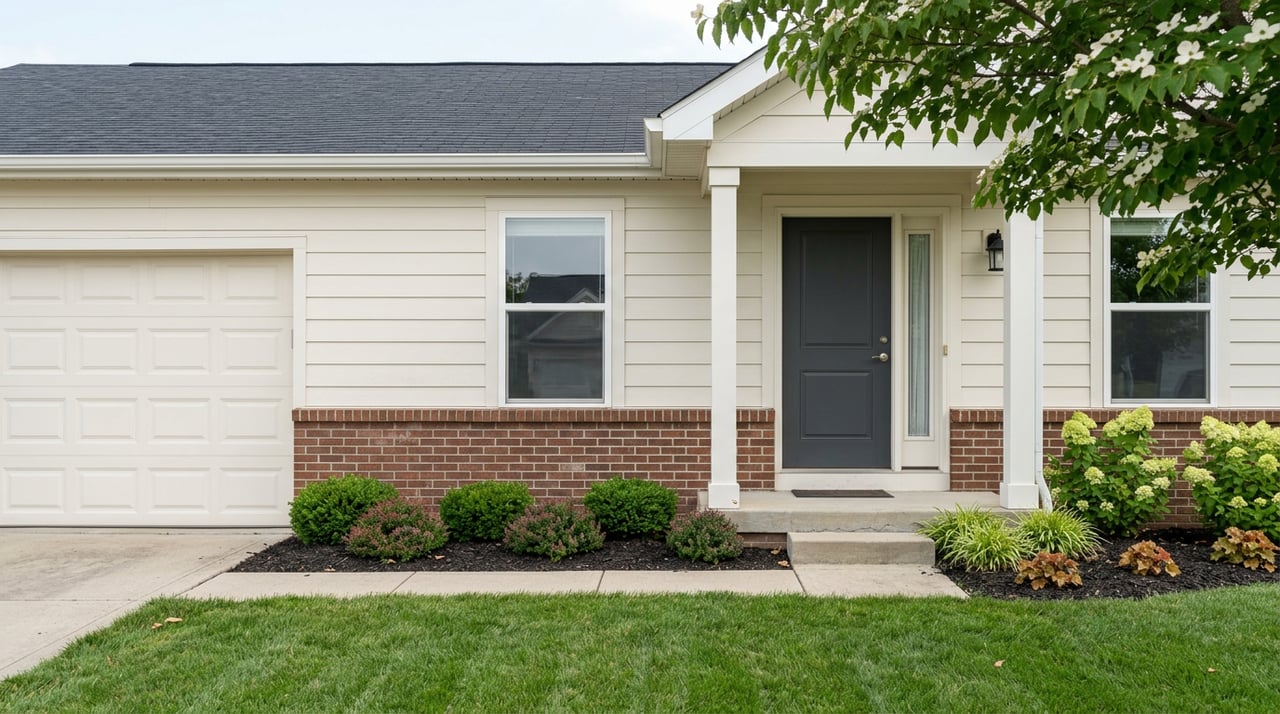
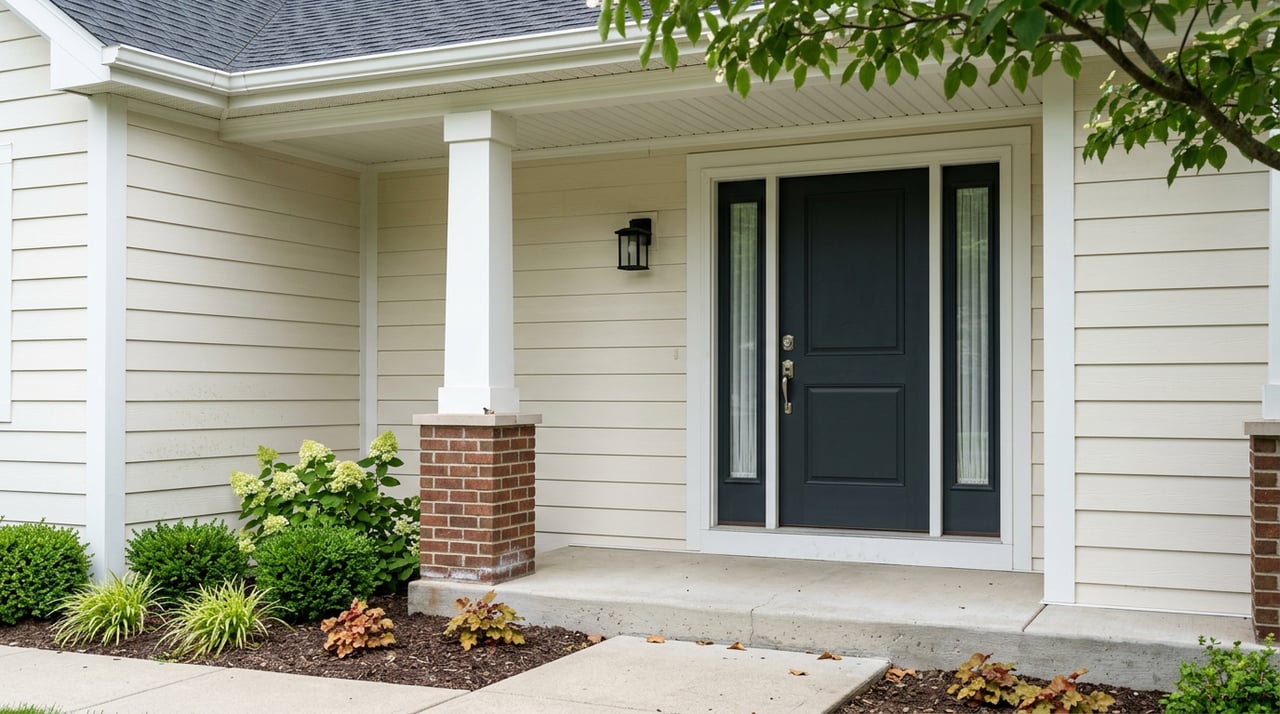
- Tidying landscaping and entry areas
- Removing excess furniture
- Organizing storage areas
- Gathering records for major updates, repairs, and systems
This approach supports both marketing and buyer confidence. Strong listing photos, staging guidance, video, and virtual presentation all work better when the home feels clean, open, and well cared for.
Understand the local market without oversimplifying it
Franklinville market snapshots vary depending on the source and time period, so it is better to think in terms of strategy than labels. Realtor.com’s March 2026 data showed a median listing price of $425,000, 55 homes for sale, and 33 median days on market. Redfin’s May 2026 sold snapshot showed a median sale price of $322,307, 21 median days on market, and a 100.8% sale-to-list ratio.
At the county level, Zillow’s May 31, 2026 snapshot showed a typical Gloucester County home value of $384,723, with homes going pending in about 12 days. The takeaway is simple: pricing, condition, and presentation all matter, and your home should be evaluated on its own features and timing rather than broad headlines.
Estimate what you may net
Downsizing decisions often come down to one practical question: what will you walk away with after the sale? A realistic net estimate should account for more than just the expected sale price.
Costs to plan for
In New Jersey, sellers should plan for the state realty transfer fee and closing paperwork. The New Jersey Division of Taxation states that the realty transfer fee is paid by the seller and is based on the amount of consideration. Resident sellers typically use GIT/REP-3 at closing, while nonresident sellers may need to make an estimated Gross Income Tax payment based on the transaction.
New Jersey also applies an additional graduated percent fee on transfers over $1 million. If you are trying to compare a traditional sale with a faster or more convenient option, these numbers matter because they affect what you actually keep.
Capital gains questions
Federal tax treatment may also affect your proceeds. IRS Publication 523 says a seller generally must have owned and used the home as a main residence for at least 2 of the last 5 years to qualify for the home-sale exclusion, which can exclude up to $250,000 of gain for a single filer or up to $500,000 for a joint return.
If part of the property was used for business or rental purposes, the tax treatment can be different. For longtime owners, that makes it especially important to gather records early and understand how the property has been used over time.
Consider timing and property tax relief
The best time to downsize is not the same for everyone. Your timing should reflect your readiness, the condition work your home needs, and the availability of the next home.
If you want a general seasonal reference point, Realtor.com’s 2026 Best Time to Sell report identified mid-April, specifically April 13 through 19, as a period that has historically brought more views and less competition nationwide. Still, that is a general trend, not a rule for Franklinville.
For older homeowners, New Jersey property tax relief programs may also affect timing and cash flow before a move. The state now uses one PAS-1 application for Senior Freeze, ANCHOR, and Stay NJ. For the 2025 benefit year, Stay NJ reimburses eligible seniors for 50% of property taxes up to a $6,500 cap, and the application deadline is November 2, 2026.
Explore the right next-home fit
In a rural market like Franklinville, downsizing may mean changing home type as much as changing size. Since the township has a large share of detached homes and some development restrictions, your best option may be elsewhere in Gloucester County or another nearby South Jersey location.
Possible next-home options include:
- A single-level ranch
- A smaller detached home
- A townhome
- A condo
- A 55+ community
- A temporary rental while you line up the next purchase
The right fit depends on your budget, mobility needs, lifestyle, and preferred level of upkeep. If your goal is less maintenance and more predictability, it helps to compare options based on daily living, not just square footage.
Think beyond the house itself
Your next move should support how you want to live. That may include easier access to appointments, transportation, or support services.
Gloucester County’s Division of Senior Services serves residents age 60 and older and acts as the local ADRC entry point. The county transportation division also provides non-emergency curb-to-curb rides for seniors, people with disabilities, veterans, and low-income residents with advance reservations.
New Jersey also points older adults toward resources such as I Choose Home NJ for people trying to remain in the community with low- or no-cost in-home services, along with the Division of Aging Services for longer-term planning. These resources can help you think through whether moving now, staying longer with support, or staging a two-step transition makes the most sense.
Build a sale plan around certainty
For many longtime homeowners, the hardest part of downsizing is not deciding to move. It is managing the risk of timing. You may be wondering how to sell before buying, how to avoid carrying two homes, or how to simplify the process if the property needs work.
That is why a clear sale strategy matters. Depending on your priorities, that could mean preparing for full market exposure with professional photography, MLS and portal syndication, staging guidance, and digital marketing. It could also mean exploring a more predictable path if convenience, speed, or a firm timeline matters most.
A downsizing move works best when the selling plan matches your real-life needs. If your priority is maximizing exposure, a traditional listing strategy may be the answer. If your priority is certainty and less hassle, a guaranteed timeline or immediate buyout option may be worth discussing.
Downsizing in Franklinville is a big transition, but it does not have to feel overwhelming. With the right plan, you can sort smarter, prepare your home well, understand your likely proceeds, and move on a timeline that fits your life. If you want a clear, local strategy for your next step, connect with Jennifer Ferrara to talk through your selling options.
FAQs
What makes downsizing in Franklinville different from other areas?
- Franklinville is part of a rural, owner-heavy market with many detached homes, many of them built decades ago, and some development restrictions within the township, so the right downsizing option may involve a different home type or nearby location.
How should Franklinville homeowners start the downsizing process?
- Start by defining your goals, then sort your belongings into keep, donate, sell, and discard so you can reduce clutter before listing and make the move easier.
What should longtime Franklinville homeowners fix before selling?
- Focus on visible maintenance issues, worn paint, excess furniture, clutter, and missing records for major updates so the home shows as clean, cared for, and easier for buyers to evaluate.
What taxes and fees should New Jersey sellers consider when downsizing?
- New Jersey sellers should budget for the seller-paid realty transfer fee and closing paperwork, and some sellers may also need to review capital gains treatment and property use history before estimating net proceeds.
What kinds of homes should downsizers consider after leaving Franklinville?
- Many downsizers consider a ranch, smaller detached home, townhome, condo, 55+ community, or temporary rental, depending on budget, upkeep preferences, and timing needs.
Are there local support services for older adults in Gloucester County?
- Yes, Gloucester County offers senior services and transportation support for eligible residents, and New Jersey also provides aging and in-home support resources that can help with planning the next stage.