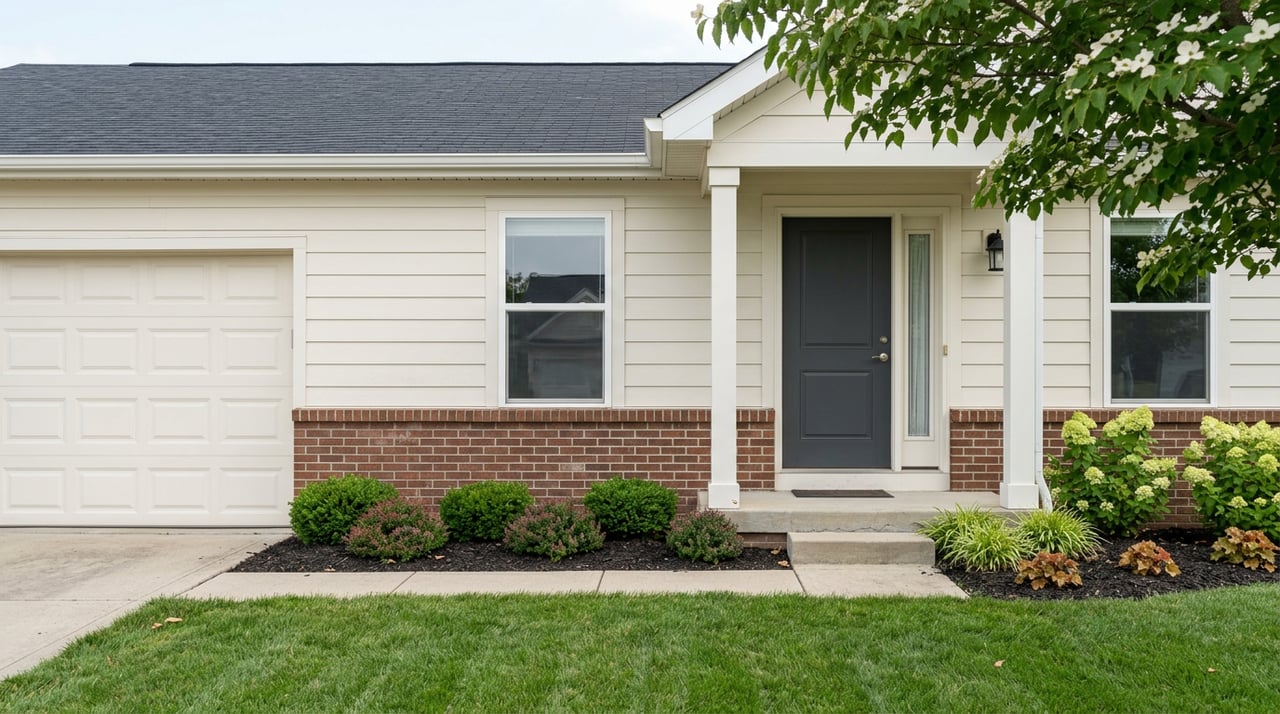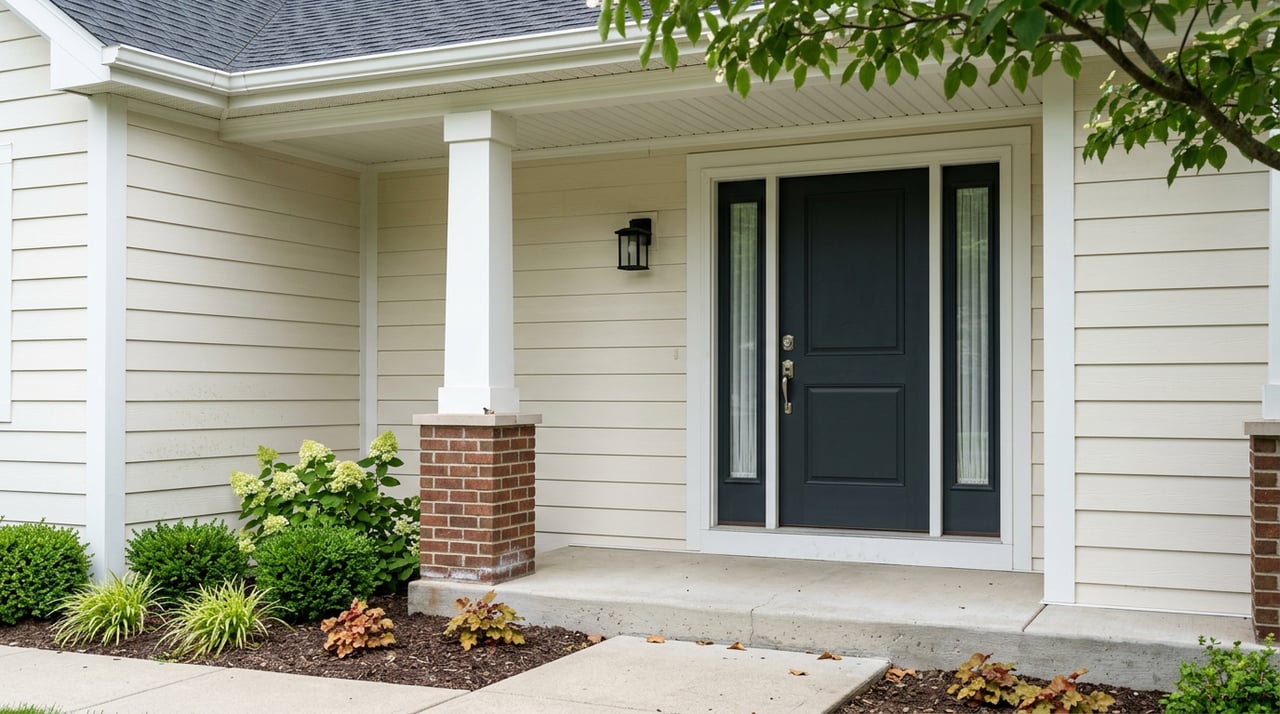
Two homes on the same Glassboro street, listed the same month, can end up on completely different closing timelines even after both go under contract at full price. The difference isn't the house. It's who signs as the buyer. Borough code treats an owner-occupant purchase and an investor purchase differently at the certificate stage, and most sellers only discover the fork exists after their attorney mentions a form they've never seen.
Glassboro requires a Certificate of Continued Occupancy before any residential title can change hands. That part isn't unusual for South Jersey. What's less commonly understood is that the borough's own code carves out a second path for buyers who plan to renovate, and which path applies changes what a seller has to fix, and when.
Two Certificates, One Ordinance
Borough Code Chapter 381 sets up the standard process. Once an owner applies, the Housing Officer has 10 days to inspect the property. If everything passes, the certificate issues and the sale can close. The fee covers the initial inspection plus two reinspections if repairs are needed first.
But the same chapter includes a second certificate: a Certificate of Transfer of Title, built specifically for a buyer who intends substantial renovations. Instead of requiring full compliance before closing, this version lets the deal close with the buyer taking on 90 days after settlement to complete the work, with the Housing Officer able to grant one 90-day extension at his discretion.
That's a materially different deal for a seller.
| Standard CCO | Certificate of Transfer of Title | |
|---|---|---|
| Who it fits | Owner-occupant buyers | Buyers planning renovations |
| Compliance timing | Before closing | Within 90 days after closing |
| Fee | $100 (initial plus two reinspections) | $125 (initial plus two reinspections) |
| Extension available | No | Up to 90 additional days |
Neither certificate is optional. The question a Glassboro seller actually faces is which one their buyer will trigger, and that isn't always clear at the time a listing goes live.
Why the Fork Runs Deeper Here Than in Neighboring Towns
Most Gloucester County boroughs sell to a fairly uniform buyer pool: families and move-up buyers who want a home ready to live in. Glassboro doesn't work that way, because Rowan University sits inside it. Streets near campus and Rowan Boulevard draw a genuine second buyer type: investors purchasing specifically for student rental income, often planning to renovate a unit into a stronger rental layout before the next lease cycle starts.
That second pool isn't a footnote. It's active enough that a seller of a campus-adjacent property can reasonably expect offers from both directions on the same listing, an owner-occupant who wants a full CCO and a move-in-ready home, and an investor who would rather close fast on the transfer-of-title track and handle repairs on their own schedule after the keys change hands.
A seller who assumes every buyer wants the same thing prices, preps, and schedules for only one of those outcomes. The house itself doesn't change. The certificate track does, and it changes based on an offer that hasn't come in yet when the seller is making decisions about repairs.
The Calendar Collision
Glassboro's overall market has been tight through the middle of 2026. The single-family median reached $375,000 year to date as of June, up 7.1 percent, with the June median itself at $365,000, up 4.1 percent. Sellers are receiving 100.7 percent of list price on average, closing in a median 47 days, and active inventory sits at just 19 homes, down 40.6 percent from a year earlier. Months of supply for single-family homes is running at 2.0, a seller's market by any standard measure.
The condo segment tells a different story, and it's the kind of detail that matters more than the headline median. Months of supply in Glassboro condos jumped from 0.5 to 5.5, a swing of roughly 1,000 percent, while inventory rose 225 percent to 13 active units. Closed sales over the same stretch fell 63.9 percent, down to 13 from 36 a year earlier. A segment that sold almost instantly a year ago now has more listings sitting on the market than buyers closing on them.
That reversal lines up with buyer behavior, not just supply. Condos and small townhomes are the properties most likely to be renovation candidates for an investor buyer, and if that buyer pool has gotten more selective or more cautious about timing, a segment that depends heavily on investor demand will show it first in exactly this kind of supply spike.
Layer the calendar on top of that. Investor buying activity for campus-adjacent properties concentrates in late June through early August, timed so a new owner can get a unit rented before Rowan's fall move-in. That's the same stretch when the Housing Officer's office is also processing Chapter 379 rental registration renewals, which are due annually by July 31. A seller expecting a routine 10-day CCO inspection window during this period is competing for the same municipal staff time as every landlord in town racing a July 31 deadline. The code doesn't change during that window. The queue does.
The Landlord Layer Owner-Sellers Forget
If a Glassboro seller has rented their property to Rowan students at any point, a second layer of compliance sits on top of the certificate question. Chapter 379 requires rental properties to be registered annually, with the registration form listing a $160 per-unit fee that covers one inspection and one reinspection. The application requires a floor plan with room dimensions and a parking diagram for the unit, and any landlord who lives outside Gloucester County has to name a registered in-county agent to accept notices on their behalf.
None of that disappears just because a seller decides to sell rather than re-lease. If registration lapsed, or if the last tenant turnover inspection never happened, that history can surface during the CCO process and slow a closing that otherwise looked straightforward.
The borough also added a new rule in September 2025 requiring a Special Event Permit for any gathering over 100 people at a rental property, a detail worth knowing for any seller whose home has hosted large off-campus gatherings, since code enforcement history on a property doesn't stay invisible once a buyer's attorney starts asking questions.
What This Means If You're Listing This Fall
Before listing a Glassboro home, especially one near campus, it's worth being honest about which buyer pool is most likely to bid. A western-section colonial aimed at owner-occupants should be prepped for the standard CCO track, with repairs handled before the home ever hits the market. A campus-adjacent property that's likely to draw investor interest may be better served by getting ahead of the paperwork rather than the repairs, since a buyer intending renovations may prefer the transfer-of-title path regardless of the home's current condition.
Either way, filing the CCO application early, particularly before the July registration crunch, gives more room for reinspections if something doesn't pass the first time. And any seller with rental history should confirm registration status and gather permit records for past work before a buyer's attorney asks for them at attorney review.
Frequently Asked Questions
Does every Glassboro home need a Certificate of Continued Occupancy before closing? Under Chapter 381, yes, unless the buyer qualifies for the Certificate of Transfer of Title track by documenting planned substantial renovations. That path shifts compliance to within 90 days after settlement instead of requiring it beforehand.
What if I don't know yet whether my buyer wants a move-in-ready home or plans to renovate? That's exactly why the fork matters. A seller can request the standard CCO inspection early to know their own repair list, while leaving room in the contract to discuss the transfer-of-title option if an offer comes in from a buyer with renovation plans.
Do I need to worry about rental registration if I haven't rented the home in years? If the property was ever registered as a rental under Chapter 379, it's worth confirming the registration was properly closed out rather than assuming it lapsed on its own, since open registration history can come up during the CCO review.
Selling in Glassboro right now means selling into two different buyer expectations at once, and knowing which certificate track applies before an offer arrives is the difference between a smooth 45-day close and a scramble in week six. If you're weighing a listing near Rowan or anywhere else in the borough, Jennifer Ferrara can walk through your specific property and buyer likelihood before you list. Get Your Free Home Valuation to start with the numbers that actually apply to your address.