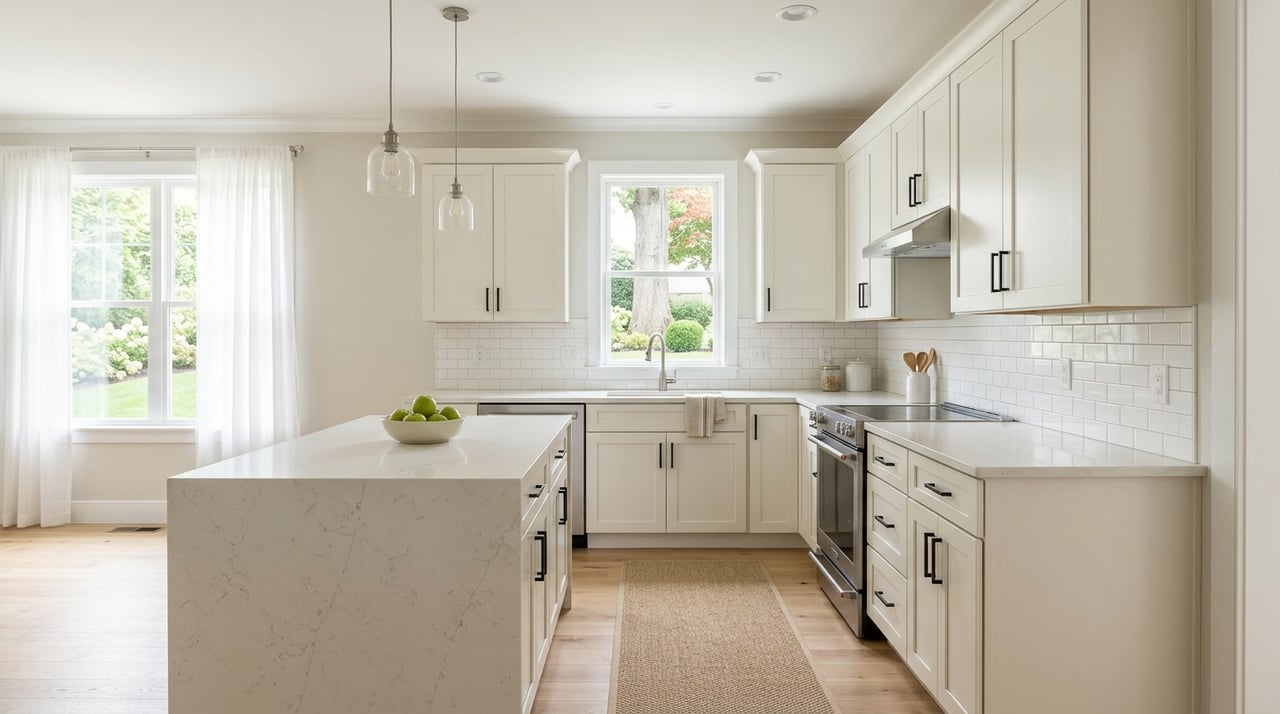
If you are getting ready to sell in Vineland, one question can shape your whole strategy: should you update your home before listing, or sell it as-is? That decision matters even more in a market where homes may sit for several weeks and buyers have time to compare condition, price, and value. The good news is that you do not need to guess. With the right plan, you can focus on the updates that actually help, skip the ones that do not, and choose a sale path that fits your timeline and goals. Let’s dive in.
What Vineland sellers should know
Vineland has a largely owner-occupied housing market. According to U.S. Census QuickFacts, the owner-occupied housing rate is 68.7%, and the median household income is $65,854. The city also has a meaningful share of older homes, with the City of Vineland’s 2025 Housing Plan draft showing that homes built from 1970 to 1979 make up the largest age band in the housing stock.
That matters because many sellers are not dealing with major structural issues. More often, they are deciding what to do with a home that is solid but dated. In that kind of market, presentation and selective repair choices often matter more than a full renovation.
Why condition matters in Vineland
Recent market data suggests Vineland is not moving at a breakneck pace. Realtor.com’s Vineland market overview reported 212 active listings, a 100% sale-to-list ratio, and a median 50 days on market in February 2026, while labeling the city a buyer’s market. Redfin’s February 2026 tracker also pointed to a market where homes can take time to sell, showing a median sale price of $310,000, 74 days on market, and 1 offer on average.
The exact numbers vary by source, but the takeaway is clear. Buyers in Vineland often have options, and when they do, a home’s condition can influence both how fast it sells and how much leverage buyers feel they have during negotiations.
Start with low-cost, visible updates
If your home is functional but looks tired, small cosmetic improvements are usually the smartest place to start. National seller data supports this approach. In Zillow’s 2024 seller survey, the most common seller updates were interior paint, bathroom updates, kitchen updates, landscaping, and flooring repair or replacement.
That lines up with advice from the 2025 Remodeling Impact Report cited by NARI and NAR, where Realtors most often recommended painting the entire home, painting a single room, and replacing roofing before listing. For most Vineland sellers, that points to a practical rule: fix what buyers see first, and be cautious about over-improving.
Best updates before listing
The updates most likely to help are usually the ones that make your home feel cleaner, brighter, and better maintained.
- Fresh interior paint in neutral tones
- Updated light fixtures or bulbs for a brighter feel
- Flooring repair or replacement in worn areas
- Minor kitchen or bathroom touch-ups
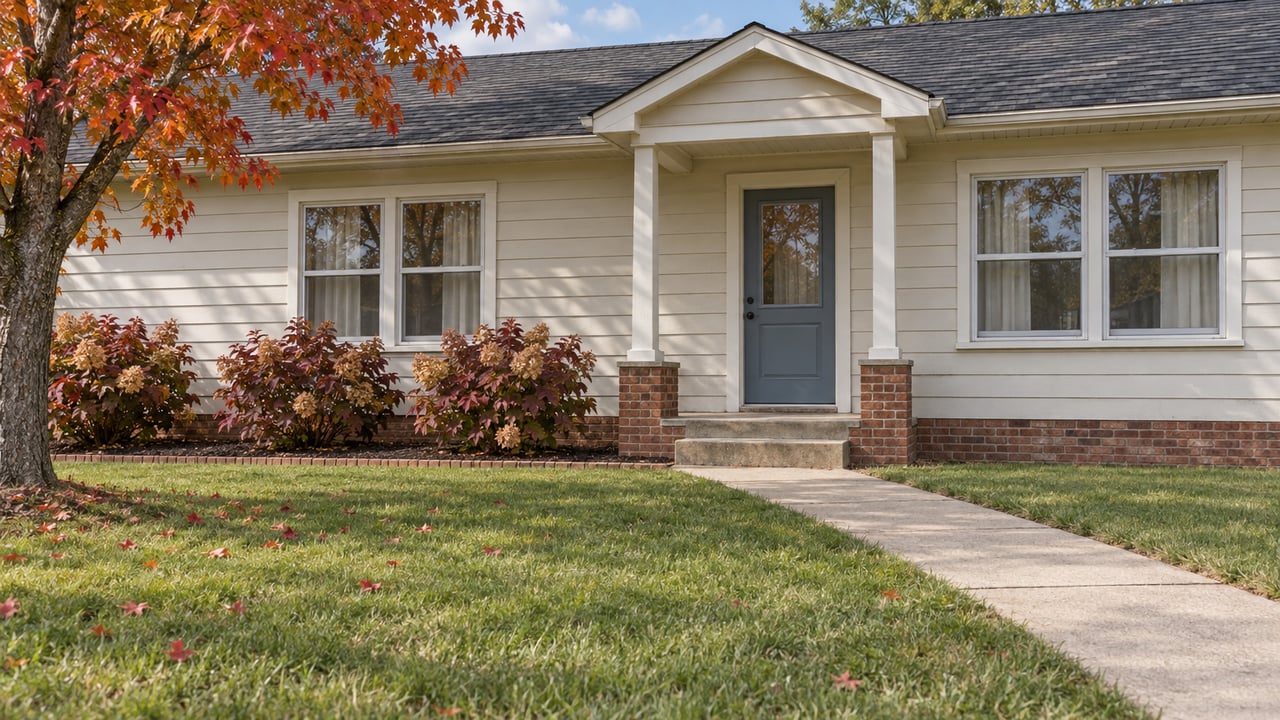
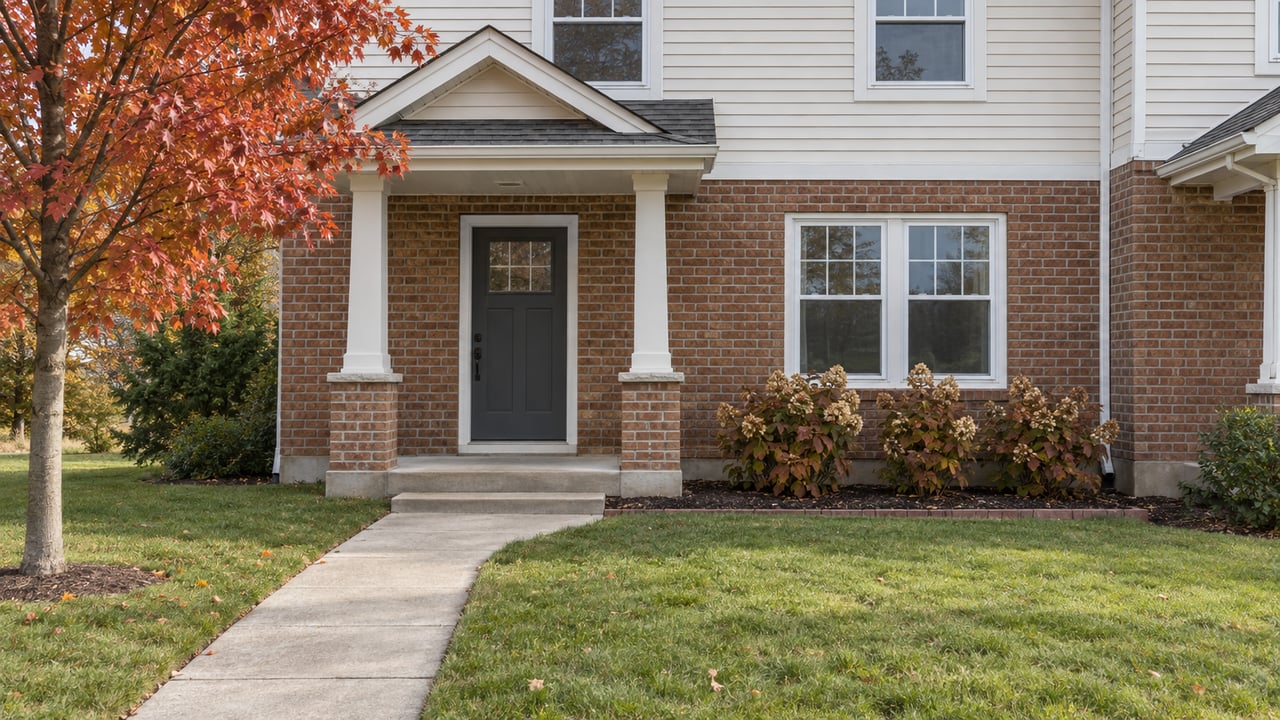
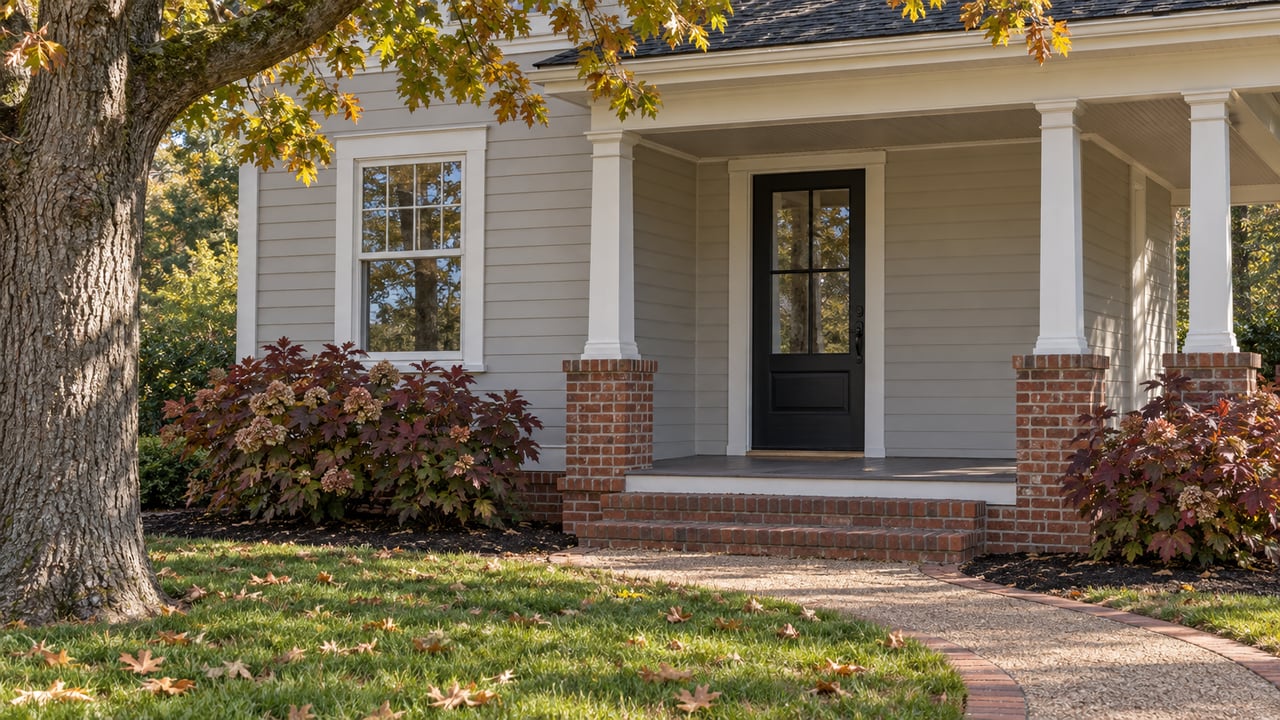
- Landscaping and curb appeal improvements
- Deep cleaning and decluttering
These projects are often easier to control in both cost and timeline. They can also make listing photos look stronger, which matters when buyers first see your home online.
When a full remodel usually is not worth it
A major renovation is not always the best move before you sell. If your kitchen or bathroom is dated but functional, you may not recover the full cost of a large project, especially in a market where buyers are comparing overall value carefully.
This is especially true for many Vineland homes from the 1970s. If the structure is sound but the finishes feel older, a fresh coat of paint, better lighting, and thoughtful staging may do more for buyer perception than tearing everything out. In many cases, a polished dated home performs better than an unfinished renovation project.
Staging can have strong payoff
Staging is one of the clearest examples of a lower-cost move that can improve buyer response. The National Association of Realtors 2025 Profile of Home Staging found that 83% of buyers’ agents said staging makes it easier for buyers to visualize a property as a future home.
The same report found that the living room, primary bedroom, and kitchen were the rooms seen as most important to stage. Among sellers’ agents, 19% said staging increased the dollar value offered by 1% to 5%, and the median spend on a staging service was $1,500.
For many sellers, that makes staging guidance or light professional staging a more sensible investment than a major remodel. It can help your home feel move-in ready without requiring a large upfront spend.
When selling as-is may make more sense
Sometimes updating the home is not the right answer. If you do not have the time, budget, or energy for repairs, listing as-is may be the smarter path. This can be especially true if the likely repair list is long enough that you would still face heavy negotiation after inspections.
In New Jersey, selling as-is does not mean hiding problems. The Seller’s Property Condition Disclosure Statement requires sellers to disclose known material defects. The form specifically asks about items such as roof age and leaks, basement moisture or mold, termite damage, structural movement, additions and permits, flood damage, flood insurance, and other material defects.
That means as-is is best understood as a pricing and convenience strategy, not a way to avoid scrutiny. Buyers can still inspect the home, and the right pricing strategy becomes even more important.
As-is may fit these situations
Selling as-is may be worth considering if:
- You need to move on a tight timeline
- You do not want to fund repairs before closing
- The property has deferred maintenance or unresolved condition issues
- You are handling probate, downsizing, relocation, or divorce
- You want fewer prep tasks and less disruption
In these cases, the goal is often not squeezing out every last dollar. It is reducing stress, shortening the timeline, and making the process more predictable.
Watch for issues that change the math
Some homes need more than cosmetic work. If your home has roof concerns, moisture intrusion, termite damage, structural movement, or permit questions, the decision often shifts. Instead of spending money on surface-level improvements, it may make more sense to focus on disclosure, pricing, and choosing the sale strategy that best manages risk.
That is because buyers and inspectors tend to focus heavily on these issues. If a major defect is likely to come up anyway, cosmetic updates may not change the outcome enough to justify the cost.
Profit versus speed and certainty
Every seller is balancing at least three goals: price, timeline, and convenience. Usually, one of those matters more than the others. The right strategy starts with being honest about your priority.
Zillow’s 2024 seller report found that 56% of sellers ranked maximizing profit as a top priority, while 35% ranked selling within their target timeframe as a top priority. The same report showed that 63% received at least one cash or no-financing-contingency offer, but 52% of sellers who received a cash offer chose a different financing-contingent offer instead.
That tells you something important. Speed and certainty have value, but only when they line up with your price and timing goals.
A simple way to choose your path
If you are unsure whether to update or sell as-is, this framework can help.
Choose targeted updates if
- Your home is basically sound but visually dated
- You can afford a modest prep budget
- You want to maximize market appeal and net proceeds
- You are comfortable with showings and a traditional listing timeline
Choose as-is if
- The home needs significant repairs
- You want to avoid spending money upfront
- You need a simpler process with fewer moving parts
- Your timeline matters more than top-dollar positioning
Consider a certainty-first option if
- You want a firm plan and fewer unknowns
- You need speed, convenience, or less disruption
- The home needs work and you do not want to manage repairs
- You value a predictable closing date over full market exposure
In a slower-moving market like Vineland, each of these paths can make sense depending on your goals.
How Jennifer Ferrara helps Vineland sellers decide
The best selling plan is rarely one-size-fits-all. Some Vineland sellers are best served by a traditional listing with strategic prep, professional photography, MLS exposure, portal syndication, and staging guidance. Others may benefit more from a Guaranteed Sale, an Immediate Buyout, or a Hassle-Free listing option when timing and simplicity matter most.
That is why your first step should be a clear look at your home’s condition, your likely buyer pool, and your personal timeline. When you understand the tradeoffs, you can make a smart decision without over-spending or overthinking.
If you are weighing updates versus an as-is sale in Vineland, Camden, or Cumberland County, Jennifer Ferrara can help you compare your options, price the home with current market conditions in mind, and choose the path that fits your goals.
FAQs
Should you renovate a dated Vineland home before listing it?
- Usually, small cosmetic improvements like paint, lighting, flooring touch-ups, and staging make more sense than a full remodel if the home is structurally sound.
What does selling a Vineland home as-is actually mean?
- Selling as-is means you are offering the home in its current condition, but you still need to disclose known material defects under New Jersey disclosure requirements.
Which home updates matter most to buyers in Vineland?
- Low-cost, visible updates such as interior paint, landscaping, flooring repair, minor kitchen or bath improvements, and staging often have the strongest impact.
Is staging worth it for a Vineland home sale?
- It often can be, since NAR reports that staging helps buyers visualize the home and may improve offer strength, especially in key rooms like the living room, primary bedroom, and kitchen.
When is an Immediate Buyout or Guaranteed Sale a better option in Vineland?
- These options may be a better fit when you care more about speed, fewer showings, and a predictable closing date than maximizing every dollar through a traditional listing.
How long are homes taking to sell in Vineland right now?
- Recent sources in the research report suggest homes are taking roughly 50 to 74 days on market, depending on the source and methodology.